The Misti Volcano climb is one of the most iconic high-altitude adventures in South America. Standing at 5,822 metres (19,100 ft) above sea level, this active volcano dominates the skyline of Arequipa and can be conquered by travellers with good fitness — no technical climbing experience required. This complete 2026 guide covers everything: routes, real prices, what to pack, when to go and how to plan it step by step.
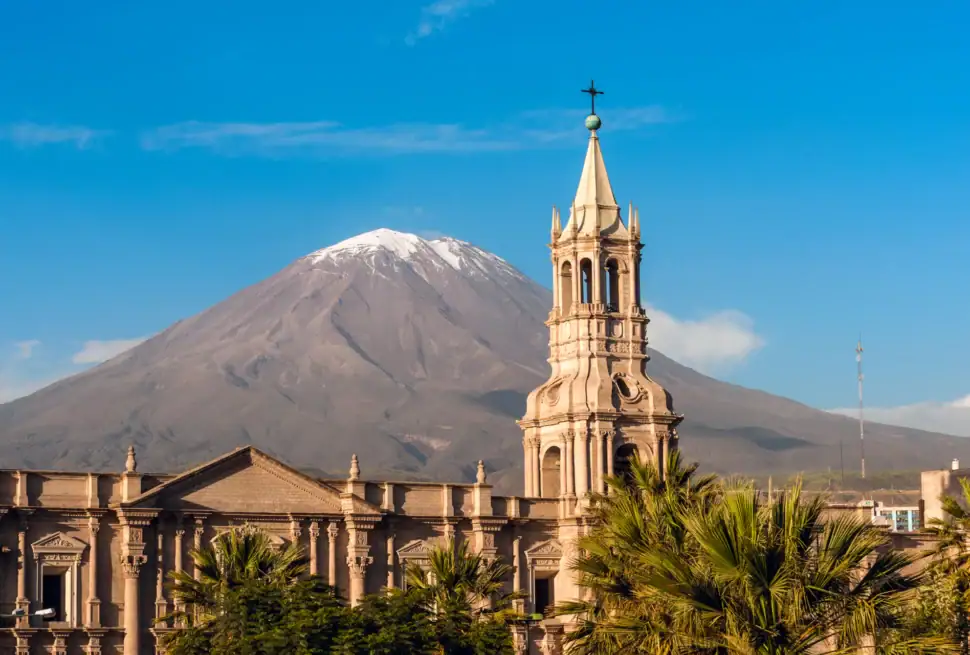
Misti is more than just a mountain — it is the soul of Arequipa, an Apu (sacred peak) revered since pre-Inca times. Its perfectly conical silhouette is visible from almost anywhere in the White City, and reaching its summit is one of those challenges that stays with you forever. At Turismo Liberty, we have been running this climb for years with UIAGM-certified mountain guides, and this guide shares everything you need to do it right.
🌋 What is Misti Volcano and why climb it?
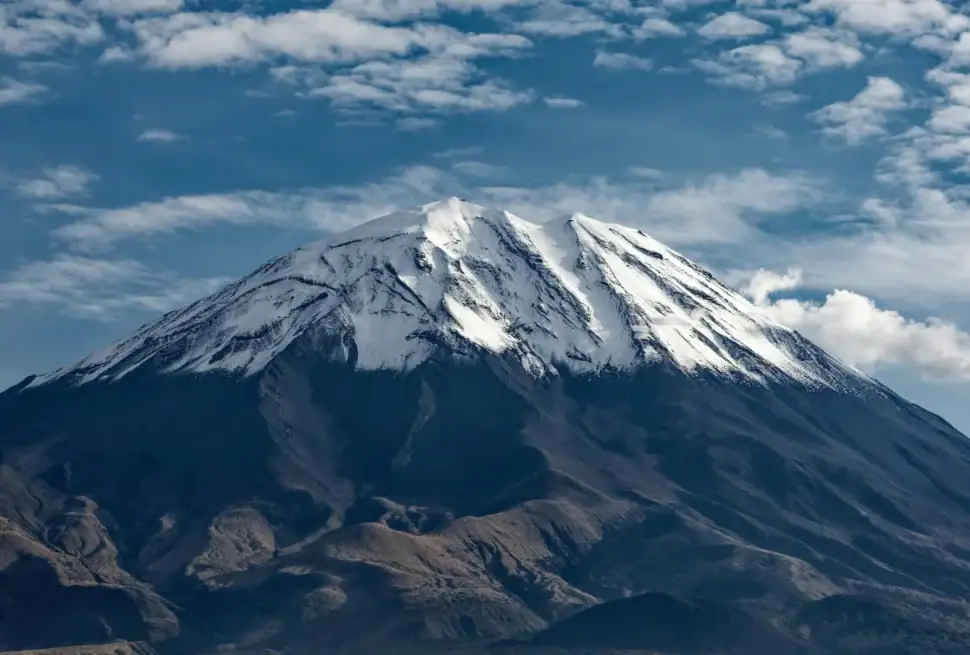
Misti Volcano is an active stratovolcano located just 17 km (11 miles) northeast of downtown Arequipa. At 5,822 metres, it forms part of the Southern Peru Volcanic Chain alongside Chachani (6,057 m) and Pichu Pichu (5,664 m). Its perfectly symmetrical cone makes it one of the most photogenic volcanoes in South America.
What makes Misti special from a trekking perspective is that it requires no technical climbing. Unlike other peaks at similar altitudes, the ascent is over volcanic ash and loose rock — no ropes or alpinism skills needed. The real challenge is the altitude, the cold and the sustained physical effort over many hours.
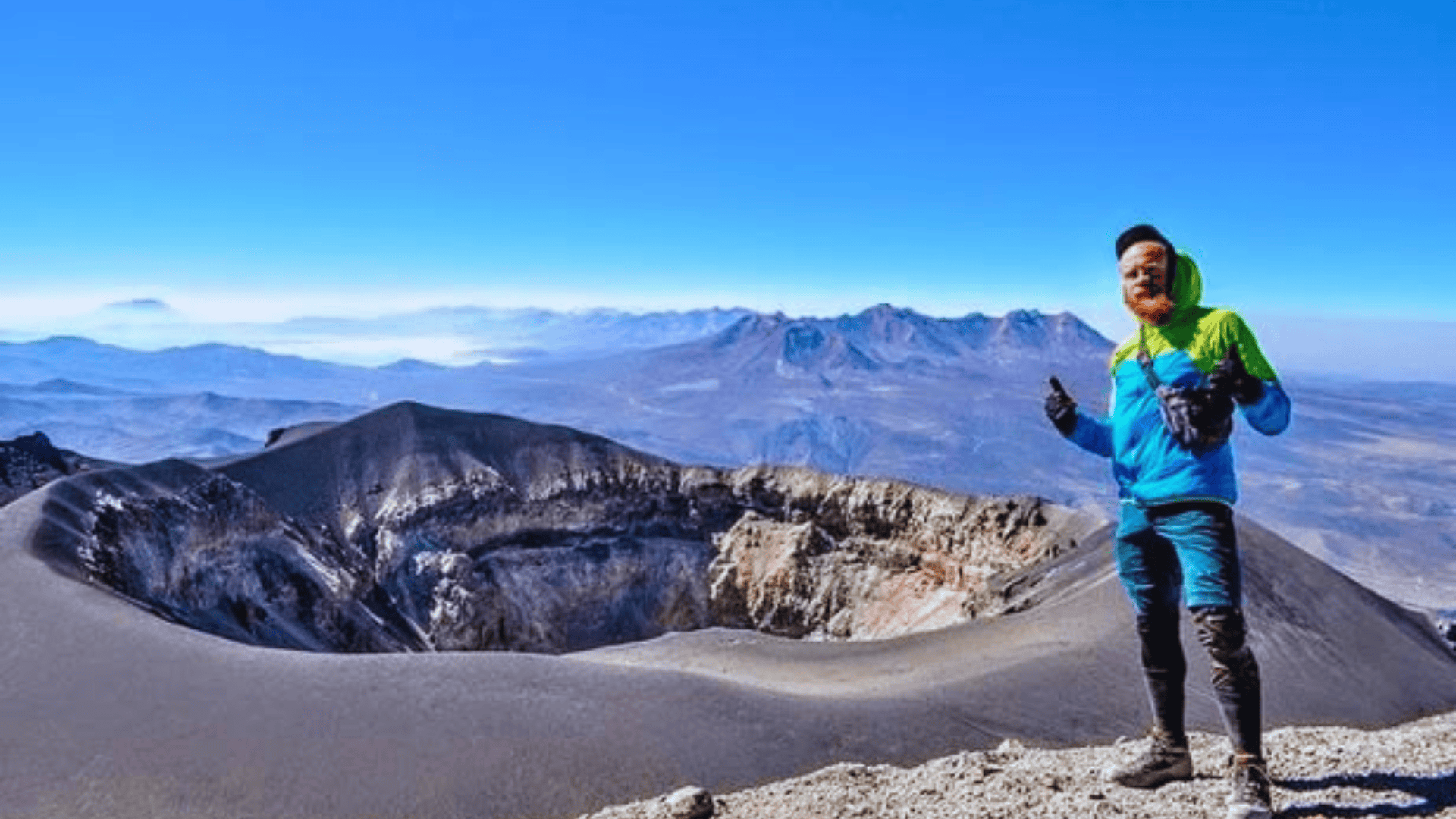
From the summit on a clear day, the views are extraordinary: all of Arequipa spread out below you, the snow-capped Chachani to the north, the Aguada Blanca Reserve, and — in ideal conditions — even the Pacific Ocean on the horizon. It is one of those experiences that very few people in the world have had, and it is worth every single step.
🗺️ Climbing routes up Misti Volcano
There are two main routes to climb Misti. Both are 2-day / 1-night programs departing by 4×4 from Arequipa, but they differ in the starting point and terrain characteristics.
| Feature | Aguada Blanca Route | Chiguata Route |
|---|---|---|
| Starting point | Aguada Blanca National Reserve (3,300 m) | Chiguata district (3,800 m) |
| Transfer time | ~1.5 hours by 4×4 | ~2 hours by 4×4 |
| Difficulty | Moderate–high | High |
| Terrain | Volcanic ash and rock | More rock, steeper slopes |
| Scenery en route | Reserve, vicuñas, Andean wildlife | Valley and eastern plains |
| Popularity | ⭐ Most recommended | Less frequented |
The Aguada Blanca route is the one used by certified operators because it offers better safety conditions, more stable terrain and the chance to spot Andean wildlife (vicuñas, birds) along the way. This is the route operated by Turismo Liberty.
📅 Full itinerary: climbing Misti in 2 days
Day 1 — Arequipa → Base Camp (4,610 m)
- 9:00 a.m. — Departure from Arequipa. The group sets off by 4×4 from the city centre. The drive to the trek starting point takes approximately 1.5 hours.
- Start of the trek (3,300 m). The hike to base camp begins. The first section crosses volcanic terrain with views of the reserve below.
- Box lunch en route. A mid-hike break to eat and recharge energy.
- Arrival at Base Camp Quechua (4,610 m). Approximately 4 hours from the start. Tents are set up and gear is organised.
- Afternoon at camp. Rest, acclimatization and guide briefing on the next day. Hot dinner included.
Day 2 — Base Camp → Summit (5,822 m) → Arequipa
- 1:00–2:00 a.m. — Night ascent begins. The team sets off in the dark with headlamps to reach the summit at sunrise. This is the most demanding section.
- Ascent to the crater (5–6 hours). The climb continues over volcanic ash. The final stretch before the crater is the hardest due to altitude and loose terrain.
- Summit arrival (~5,822 m), before noon. 360° panoramic views: Arequipa, Chachani, Pichu Pichu and the Volcanic Chain. Box lunch at the top.
- Descent. The descent is faster thanks to the volcanic ash, though still demanding on the knees.
- Before 5:30 p.m. — Return to Arequipa. Transfer back to the city by 4×4.
⚖️ 1-day vs 2-day ascent: which should you choose?
Some operators offer a 1-day ascent (10–12 hours of continuous hiking). Here is a side-by-side comparison to help you decide with real information:
| Aspect | 1 day (not recommended) | 2 days / 1 night ✅ |
|---|---|---|
| Hiking time | 10–12 hours non-stop | 4h + 5–6h (overnight rest) |
| Altitude sickness risk | High | Low–moderate |
| Summit success rate | Low | High |
| Experience | Exhausting, no time to enjoy | Full: camp, mountain night, sunrise |
| Safety level | Lower | Higher |
| Price | Lower | From USD 118 (all included) |
The conclusion is clear: the 2-day program is the right choice. Not only is it safer, but the experience is entirely different: sleeping under the stars at 4,600 m, the silence of the mountain at night and reaching the summit at dawn are moments the 1-day ascent simply cannot offer.
☀️ Best time to climb Misti Volcano: month-by-month guide
Misti can be climbed almost year-round, but the weather makes an enormous difference between seasons. This table summarises conditions month by month:
| Month | Conditions | Recommendation |
|---|---|---|
| January – February | Rainy season, frequent fog | 🔴 Not recommended |
| March – April | End of rains, very green landscapes | 🟡 Acceptable, with caution |
| May – June | Dry season, clear skies | 🟢 Excellent |
| July – August | Peak season, optimal conditions | 🟢 Best time of year |
| September – October | Dry season, fewer crowds | 🟢 Very good |
| November | Sporadic early rains begin | 🟡 Acceptable |
| December | Rainy season, storm risk | 🔴 Not recommended |
🎒 Gear list for climbing Misti Volcano
Your gear is one of the biggest factors separating a successful climb from a frustrated one. The Turismo Liberty tour includes crampons, ice axes, tents, sleeping mats, kitchen equipment, first-aid kit, radios and a satellite phone. What you need to bring yourself:
Clothing and insulation (most critical)
- Thermal base layer (top and bottoms)
- Mid-layer fleece or merino wool
- Waterproof windproof jacket
- Cold-weather trekking trousers
- Warm wool hat or balaclava
- Thick gloves (waterproof if possible)
- Neck gaiter or buff
- Wool socks (2 pairs)
Footwear and accessories
- Mid to high-cut trekking boots
- Gaiters (for volcanic ash)
- Trekking poles (highly recommended)
- Headlamp + spare batteries
- Polarized sunglasses (UV very high at altitude)
- SPF 50+ sunscreen
- Lip balm with sun protection
- Large pack 50–70L (main gear)
Nutrition and health
- Nuts, chocolate, energy bars
- Altitude sickness pills (acetazolamide)
- Ibuprofen or paracetamol
- Refillable water bottle (2L minimum)
- Sleeping bag rated to -10°C (14°F) or colder
- Small summit pack 20–30L
💰 Misti Volcano tour prices in 2026
Prices vary depending on the operator, group size and services included. This table helps you compare your options:
| Option | Approx. price | What’s included |
|---|---|---|
| Group tour with certified agency | USD 118–180 / person | UIAGM guide, 4×4, meals, mountain gear, tents |
| Private tour with agency | USD 210–260 / person | All of the above + exclusive attention |
| Independent ascent | USD 100–150 / person | Transport and permit only. No guide or gear (not recommended) |
The Turismo Liberty tour starts from USD 118 per person (groups of 3+) and includes a UIAGM-certified guide, porters, 4×4 transport, full meals (lunch + dinner + breakfast + summit box lunch), two-person tents, crampons, ice axes, first-aid kit, radios and emergency satellite phone.
Explore all adventure packages in Arequipa and southern Peru Misti, Chachani, Colca, Puno and Cusco — custom itineraries for every traveller❓ Misti Volcano frequently asked questions
Ready to climb Misti Volcano?
Contact us and we will plan your adventure with a UIAGM-certified guide, full equipment and daily departures from Arequipa.
Reference: Salinas y Aguada Blanca National Reserve — SERNANP (official)
⚠️ Featured image: upload a photo of Misti Volcano with Arequipa in the background, minimum 1200×630 px. Alt text: “Misti Volcano climb complete guide 2026 — summit view with Arequipa and the Southern Peru Volcanic Chain”