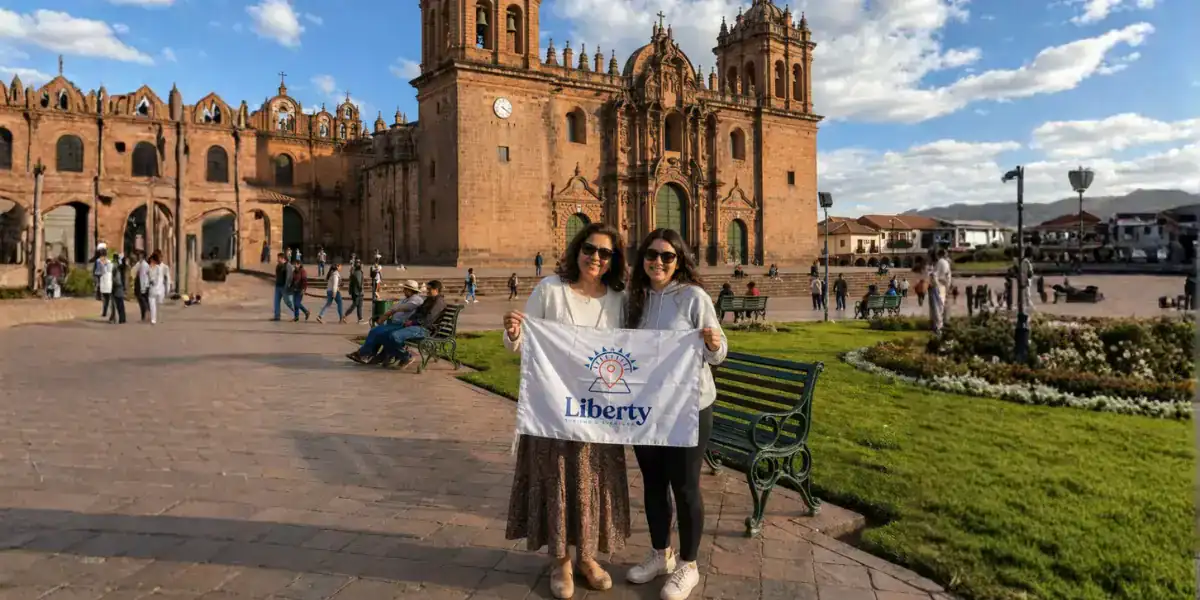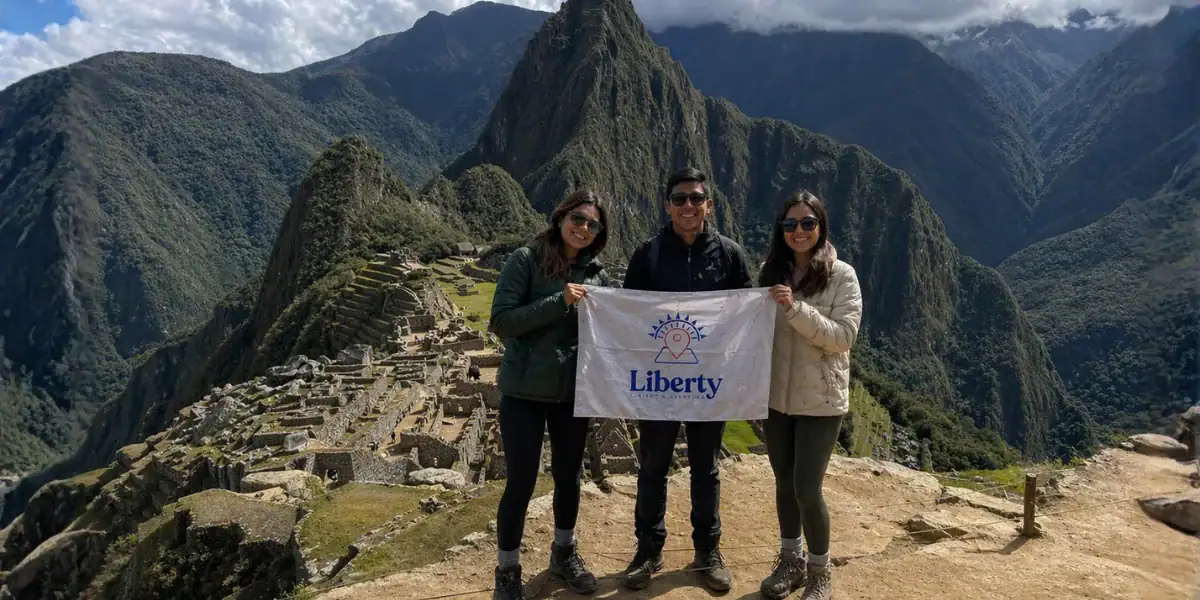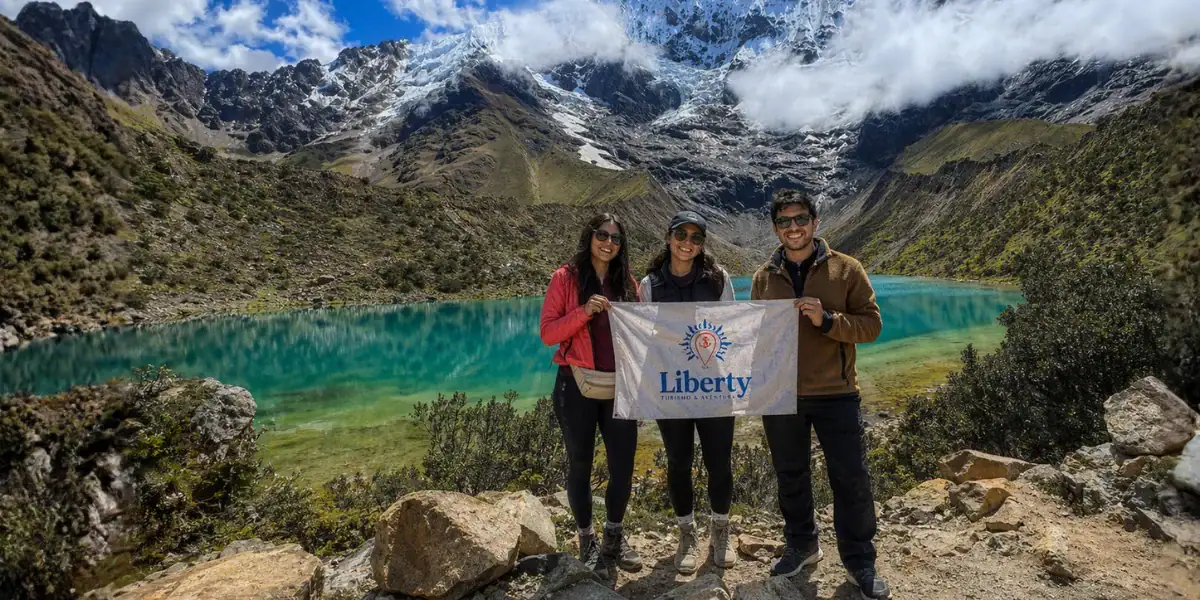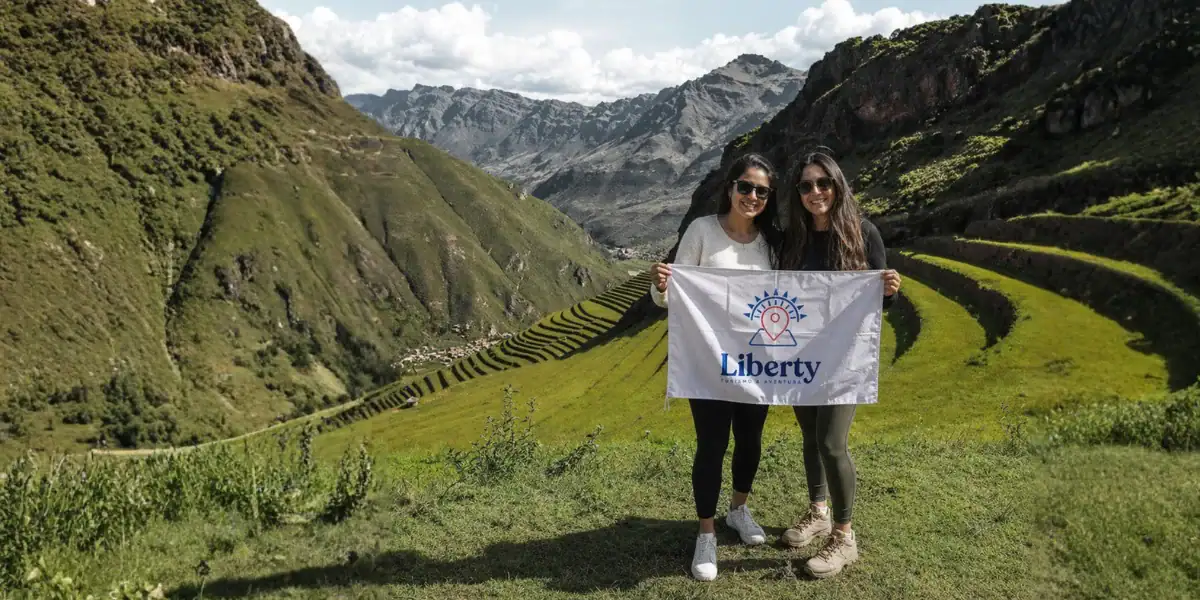
Cusco sits at 3,399 meters above sea level (11,152 ft). If you fly in from a low-altitude city — or from Europe, North America, or Australia — your body goes from normal air to roughly 30% less oxygen per breath in under two hours. Acute mountain sickness (AMS), or soroche as locals call it, doesn’t discriminate between athletes and couch-sitters. It affects 30–40% of travelers who arrive in Cusco without proper acclimatization, regardless of age or fitness level.
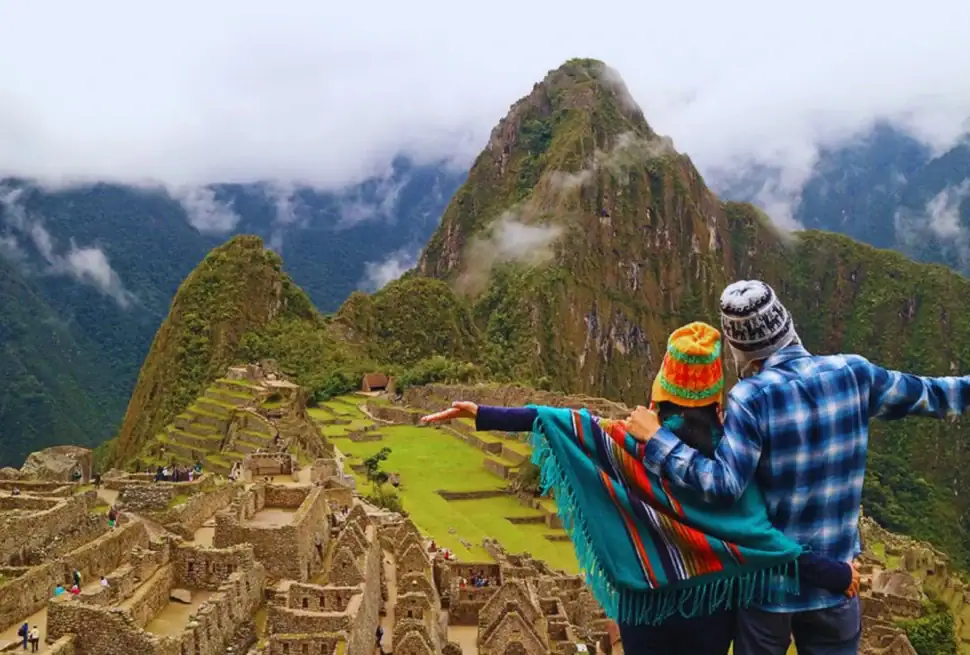
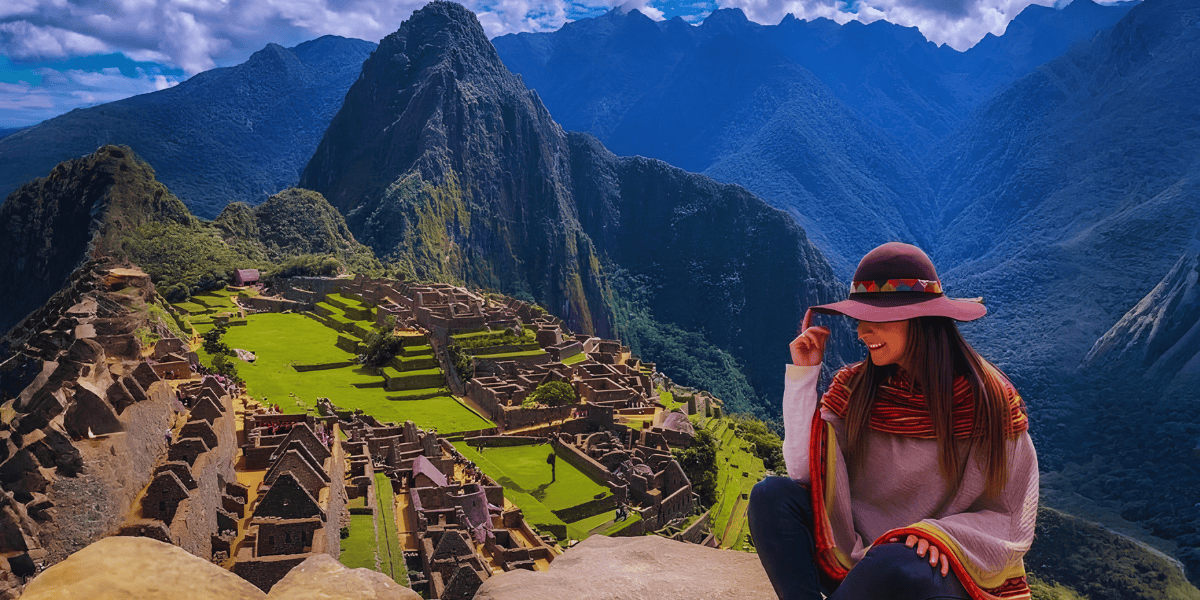
The good news: altitude sickness is entirely preventable with a well-planned first day. The Cusco 4-day package from Turismo Liberty — from $789 per person — is built around this logic: day one is a gentle city tour, the demanding hikes like Rainbow Mountain come on day two, and Machu Picchu on day three. That sequence isn’t random — it’s what ensures you enjoy every destination without suffering.
🤢 What is altitude sickness and why does it happen in Cusco?
Acute mountain sickness (AMS) occurs when the body doesn’t have enough time to adapt to lower oxygen levels at high elevation. At 3,399 m, each breath delivers approximately 30% less oxygen than at sea level. The body needs to produce more red blood cells to compensate — a process that takes between 24 and 72 hours to activate.
The most common AMS symptoms in Cusco appear during the first 6 to 24 hours after arrival:
| Symptom | Severity | What to do |
|---|---|---|
| Mild headache | 🟢 Normal | Hydrate, coca tea, rest |
| Unusual fatigue | 🟢 Normal | Avoid intense activity, sleep well |
| Slight dizziness when walking | 🟢 Normal | Walk slowly, frequent short breaks |
| Nausea without vomiting | 🟡 Moderate | Sorojchi Pills, eat lightly |
| Insomnia or interrupted sleep | 🟡 Moderate | Not dangerous — common in the first nights |
| Shortness of breath at rest | 🔴 Warning | Seek medical attention or descend |
| Confusion or disorientation | 🔴 Warning | Descend immediately, get medical help |
🕐 First-day acclimatization itinerary: what to do hour by hour in Cusco
This is the hour-by-hour plan Turismo Liberty recommends for arriving in Cusco and getting through the first day with minimum discomfort. The sequence is designed to help your body adapt gradually without wasting the day in bed.
💊 Altitude sickness remedies that actually work in Cusco
Here is what travelers who arrive with Turismo Liberty use — and what the science actually supports:
- Coca tea (mate de coca): The most traditional and effective remedy. Available free at most hotels; also sold at the San Pedro Market. It helps vasodilate blood vessels and reduces mild headache and fatigue. Not a cure, but it genuinely helps during the first 24 hours at elevation.
- Hydration — 2 to 3 liters per day: Altitude causes faster dehydration. The body loses more water through breathing at lower barometric pressure. Water, herbal teas, and soups are your best allies. Avoid coffee and alcohol the first two days.
- Sorojchi Pills: An over-the-counter analgesic sold in Cusco pharmacies (approx. S/5). Relieves mild headache and nausea once symptoms appear. It does not prevent AMS — it manages existing symptoms while your body acclimatizes.
- Acetazolamide (Diamox): The only pharmacological prevention backed by solid evidence. Prescribed by a doctor before departure (typically 125–250 mg twice daily). Consult your physician at least a week before travel if you plan to use it.
- Supplemental oxygen: Available at some hotels and clinics in Cusco. Turismo Liberty guides carry portable oxygen on high-altitude excursions like Rainbow Mountain (5,200 m). A short oxygen session provides fast relief for moderate symptoms.
⚖️ What to do and what NOT to do on your first day in Cusco
| ✅ DO | ❌ DO NOT |
|---|---|
| Drink coca tea from the moment you arrive | Drink alcohol (beer, wine, spirits) for the first 48 hours |
| Drink 2–3 liters of water throughout the day | Eat heavy meals, fried food, or large portions of red meat |
| Rest horizontally for 30–45 min after arriving | Rainbow Mountain (5,200 m) — only from day 3–4 at the earliest |
| Eat light: soups, quinoa, fruit | Take a very hot shower (lowers blood pressure) |
| Take Sorojchi Pills if you get a headache | Attempt Machu Picchu on day one — even at 2,430 m, the journey is long and exhausting |
A common question from US and European travelers is whether going to the Sacred Valley of the Incas on day one is a smart strategy. The answer is yes: at 2,600–2,900 m — below Cusco’s 3,399 m — the Sacred Valley is the ideal place to acclimatize before heading up to the imperial city. If you arrive in the morning, Turismo Liberty can arrange this order: Sacred Valley on day one, return to Cusco on day two for the city tour.
📅 Best time to visit Cusco in 2026: seasons & weather
Acclimatization works the same year-round, but the season does affect your experience at natural sites. Here’s the full comparison:
| Season | Months | Cusco Weather | Machu Picchu | Rainbow Mountain |
|---|---|---|---|---|
| Dry (ideal) | May – October | Sunny days 18–20°C (64–68°F), cold nights 2–5°C (36–41°F) | 🌤️ Clear skies, minimal morning mist | 🌈 Most vivid colors, firm trails |
| Shoulder | April / Nov | Some afternoon rain showers | ✅ Generally good conditions | ✅ Doable with rain poncho |
| Wet season | Dec – March | Frequent rain, warm days 18–22°C (64–72°F) | 🌫️ Morning mist, atmospheric experience | ⚠️ Slippery trails, paler colors |
June is the best month to combine Cusco with the Inti Raymi — the Festival of the Sun held at Sacsayhuamán on June 24. Spots for that week sell out months in advance. If you’re planning a June 2026 trip, message us now.
🎒 What to pack for Cusco: complete checklist to beat altitude
- Sorojchi Pills or Paracetamol — for headaches in the first days. Available at Cusco pharmacies from S/5 (approx. $1.50)
- Reusable water bottle (1L+) — refill constantly; single-use plastic is banned at Machu Picchu
- Layered clothing — the difference between midday (18°C/64°F) and night (2°C/36°F) is 16 degrees. A fleece layer plus a waterproof jacket are non-negotiable
- Sunscreen SPF 50+ — UV radiation is extreme at altitude, even on cloudy days. Sunburn in Cusco is extremely common among visitors
- Original passport (valid) — required to enter Machu Picchu. Photocopies are not accepted
- Hiking shoes with good grip — essential for Sacsayhuamán, the Sacred Valley, and especially Machu Picchu
- Cash in soles — many local restaurants and markets don’t accept cards. Always carry some cash
- Light day backpack — max 5 kg allowed inside Machu Picchu. Large bags are not permitted in the citadel
- Electrolyte tablets or powder — hydrate better at altitude than water alone
- Energy snacks — nuts, dark chocolate, energy bars. Useful on higher-altitude excursions like Rainbow Mountain
❓ FAQ — Altitude sickness & acclimatization in Cusco 2026
Most travelers need between 24 and 48 hours for basic acclimatization at Cusco’s 3,399 m. The body begins producing more red blood cells to compensate for lower oxygen. The key is to avoid intense physical activity on day one, drink 2–3 liters of water, skip alcohol, and take coca tea from arrival onward. Full acclimatization to higher elevations like Rainbow Mountain (5,200 m) takes 3–4 days.
Normal in the first hours: mild headache, fatigue, slight dizziness, and mild shortness of breath when walking fast. Warning signs that require medical attention: difficulty breathing at rest, confusion or disorientation, coughing with foamy liquid, persistent vomiting, and chest pressure. In those cases, seek medical help or descend to a lower elevation immediately.
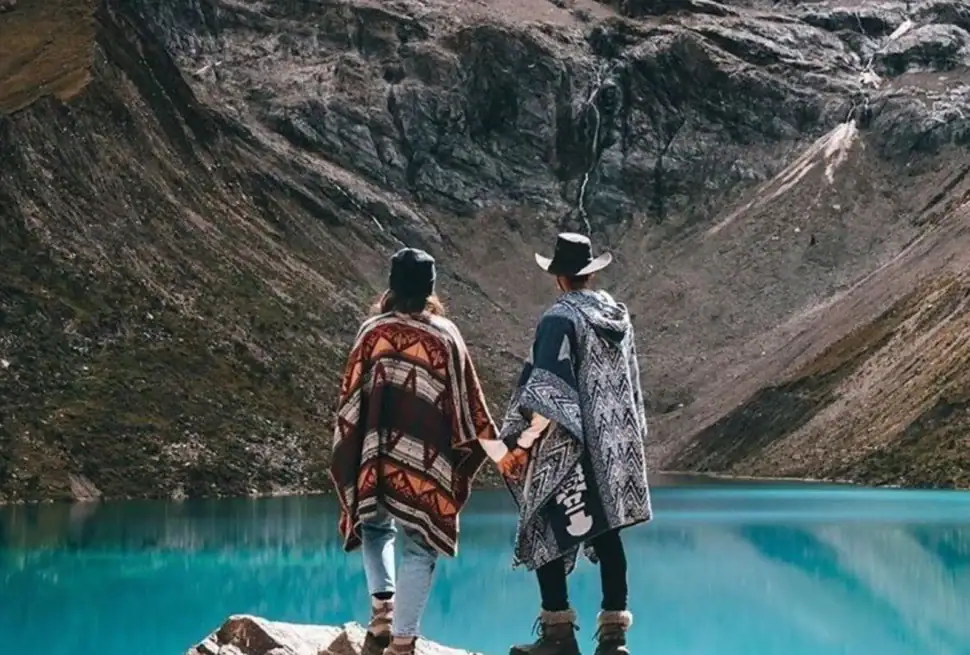
Day one should be reserved for gentle acclimatization. Turismo Liberty recommends the Cusco city tour (Qorikancha, Sacsayhuamán, Tambomachay) as the ideal first-day activity — it’s moderate, done by vehicle, and lets you see the city at a relaxed pace. Demanding hikes like Humantay Lake (4,200 m) or Rainbow Mountain Vinicunca (5,200 m) should be saved for day three or four minimum.
Yes, it’s an excellent strategy. The Sacred Valley of the Incas sits between 2,600 and 2,900 m — significantly below Cusco’s 3,399 m. Spending the first night in Ollantaytambo or Urubamba before heading up to Cusco on day two considerably reduces AMS risk. Turismo Liberty can arrange this order within the Cusco package — just ask us via WhatsApp.
Sorojchi Pills are an over-the-counter analgesic sold at Cusco pharmacies (approx. S/5) that relieves mild altitude sickness symptoms like headache and nausea. They do not prevent AMS — they act on symptoms once they appear. For pharmacological prevention, a doctor may prescribe Acetazolamide (Diamox), which is taken before arrival. Always consult your physician before travel if you have pre-existing health conditions.
Humantay Lake sits at 4,200 m and Rainbow Mountain Vinicunca at 5,200 m. Turismo Liberty recommends not attempting either before your third or fourth day in Cusco. If you’re coming directly from sea level, wait at least 48 hours before any high-altitude hike. The 4-day Cusco package from Turismo Liberty already has this sequence built in.
Your first day in Cusco with proper acclimatization makes the difference between a trip you remember for the wrong reasons and one you’ll talk about for years. Following this plan, 80% of travelers who arrive with Turismo Liberty experience no severe AMS symptoms. Those who do feel mild effects overcome them in under 24 hours with the right approach. With certified local guides who know Cusco, the Sacred Valley of the Incas, and all the major sites of southern Peru, your body gets the time it needs to adjust — and your trip gets to be exactly what you imagined.
Ready to plan your Cusco trip — altitude sickness-free?
Daily departures · 4-day package from $789 · Certified bilingual guide · Max. 18 travelers per group