Altitude sickness in Peru — also called soroche — is the number one concern for tourists traveling to southern Peru in 2026. And for good reason. Arequipa sits at 2,335m above sea level, Cusco at 3,400m, Puno at 3,800m and the Colca Canyon pass reaches 4,910m. If you arrive from sea level without preparation, your body will feel the difference. The good news: altitude sickness in Peru is completely manageable if you know what to do before, during and after the ascent. In this guide, Turismo Liberty’s certified guides share everything we’ve learned accompanying thousands of international travelers through the southern Peru circuit.
The key to managing altitude sickness in Arequipa, Cusco and Puno is not to avoid it — it’s to prepare properly so it doesn’t ruin a single day of your trip. With the right steps, the vast majority of travelers enjoy the full circuit without serious problems. Here’s how to do it.
🏔️ What is altitude sickness (soroche) and why does it happen?
Altitude sickness — known as soroche throughout the Andes — occurs when your body receives less oxygen than it is accustomed to. At higher altitudes, atmospheric pressure decreases and there are fewer oxygen molecules per liter of air. The brain and muscles, receiving less O₂, generate warning symptoms: headache, nausea, fatigue and breathlessness.
It doesn’t depend on your fitness level. Elite athletes can suffer from soroche while 70-year-olds breeze through. It mainly depends on how quickly you ascend and each person’s individual physiology. That’s why Turismo Liberty’s guides always give the same first piece of advice: ascend slowly.
📊 Altitudes in southern Peru: what to expect at each destination
Knowing the exact altitudes of each destination allows you to plan your acclimatization with precision. Here are the real altitudes of the southern Peru circuit in 2026:
| Location | Altitude (m) | Risk level | Recommended acclimatization |
|---|---|---|---|
| Lima | 154m | ✅ No risk | Not needed |
| Arequipa | 2,335m | 🟡 Low | 1 night minimum |
| Chivay (Colca Valley) | 3,633m | 🟠 Medium-high | Brief stop sufficient |
| Mirador de los Volcanes (Colca) | 4,910m | 🔴 Very high | Brief stop only — don’t sleep here |
| Cruz del Cóndor | 3,700m | 🟠 Medium-high | Short visit only |
| Cusco | 3,400m | 🟠 Medium-high | 1-2 nights ideally |
| Puno / Lake Titicaca | 3,800m | 🔴 High | 1 night before activities |
| Rainbow Mountain (Vinicunca) | 5,200m | 🔴 Very high | Only with prior acclimatization in Cusco |
| Machu Picchu citadel | 2,430m | ✅ Low | No high risk |
🤒 Altitude sickness symptoms: how to recognize them early
Soroche can manifest mildly or more intensely. Recognizing it early is key to acting before it worsens. Turismo Liberty’s guides are trained to identify symptoms in their groups and respond quickly.
Mild symptoms (Acute Mountain Sickness — AMS)
- Headache (the most common symptom, especially in the first few hours)
- Unusual fatigue with small physical efforts
- Mild nausea or loss of appetite
- Dizziness when standing up or walking
- Difficulty sleeping (interrupted sleep, feeling short of breath upon waking)
- Mild swelling in hands or face from fluid retention
Warning symptoms (seek medical attention immediately)
- Difficulty breathing at rest (not only while walking)
- Mental confusion or disorientation
- Inability to walk in a straight line
- Persistent dry cough or cough with pink frothy sputum (sign of pulmonary edema)
- Blue lips or fingernails (cyanosis)
- Persistent vomiting without improvement
🛡️ How to prevent altitude sickness in Peru 2026: step-by-step guide
Prevention starts before you board the plane. These are the steps we recommend to all travelers who do the southern Peru circuit with Turismo Liberty:
- Plan the correct order of your itinerary. Start with Arequipa (2,335m), continue through Colca, then Puno (3,800m) and Cusco (3,400m). This order gives your body time to adapt gradually. Never go directly from Lima to Puno without a stopover.
- Arrive at your first destination with free time. If you arrive in Arequipa on Monday, don’t do the Colca tour until Tuesday at the earliest. If you arrive in Cusco, don’t do Rainbow Mountain on your first day.
- Hydrate more than usual. At higher altitude, dehydration accelerates soroche. Drink 2-3 liters of water per day throughout your trip. Avoid alcoholic beverages during the first two days at altitude.
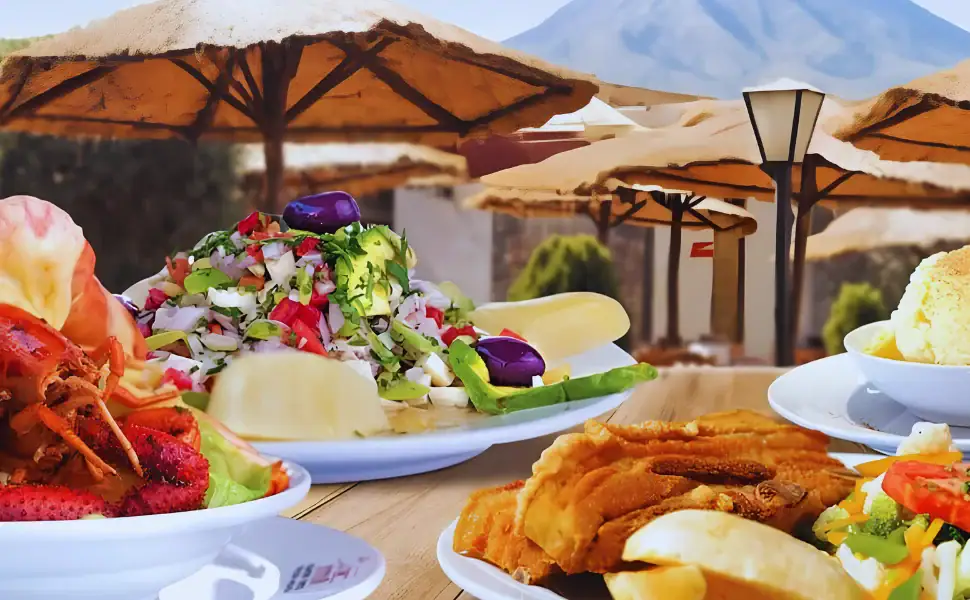
- Eat lightly during the first 24 hours. Heavy meals make digestion harder at altitude. Opt for soups, fruits and simple carbohydrates. Arequipa’s quinotto and chupe de camarones are perfect for acclimatization.
- Avoid intense exercise on your first day. Walking slowly is fine. Running, carrying heavy bags or rushing up stairs is not. Your body needs energy to adapt, not to exert itself.
- Drink coca tea as soon as you arrive. Hotels in Arequipa, Cusco and Puno serve it free of charge. Don’t ignore it — it’s the most effective Andean remedy for mild symptoms and has scientific backing as a natural vasodilator.
🌿 Altitude sickness remedies: from coca tea to Diamox
There is an intervention scale for soroche: start with the most natural options and escalate only if necessary. Here are the options ordered from least to most intensive:
| Remedy | What it helps with | How to use | Where to get it |
|---|---|---|---|
| 🌿 Coca tea | Mild symptoms: headache, fatigue, dizziness | 2-3 cups per day, especially upon arrival | Hotels, restaurants, local markets. Free in many hotels |
| 🍬 Coca candies | Mild symptoms on the move (tours) | 2-4 candies during the day | Pharmacies and shops in Arequipa, Cusco, Puno. S/5-10 per pack |
| 💊 Sorojchi Pills | Mild to moderate headache, nausea | 1-2 tablets every 6-8h as needed | Peruvian pharmacies. The local name for altitude analgesic. S/5-10 |
| 💊 Ibuprofen / Paracetamol | Headache caused by soroche | Standard dose per leaflet | Pharmacies or bring from home |
| 💊 Acetazolamide (Diamox) | Prevention and treatment of moderate to severe soroche | 125-250mg every 12h, start 24h before ascending. Prescription only | Consult your doctor before the trip. Available at Peruvian pharmacies with prescription |
| 🫁 Supplemental oxygen | Moderate to severe symptoms. Quick relief | Portable O₂ canisters available on high-altitude tours | Turismo Liberty includes O₂ on high-altitude tours like Rainbow Mountain |
🗺️ Altitude sickness city by city: specific guide for the southern circuit
🌋 Arequipa (2,335m) — The perfect entry point
Arequipa is the ideal entry point to southern Peru precisely because its altitude is moderate. Most travelers arrive without soroche or with very mild symptoms. One night of rest here prepares the body well to ascend to the Colca Canyon. Activities like the Colca Canyon tour or the Sillar Route are perfectly feasible from the second day.
🦅 Colca Canyon (up to 4,910m) — The highest point of the circuit
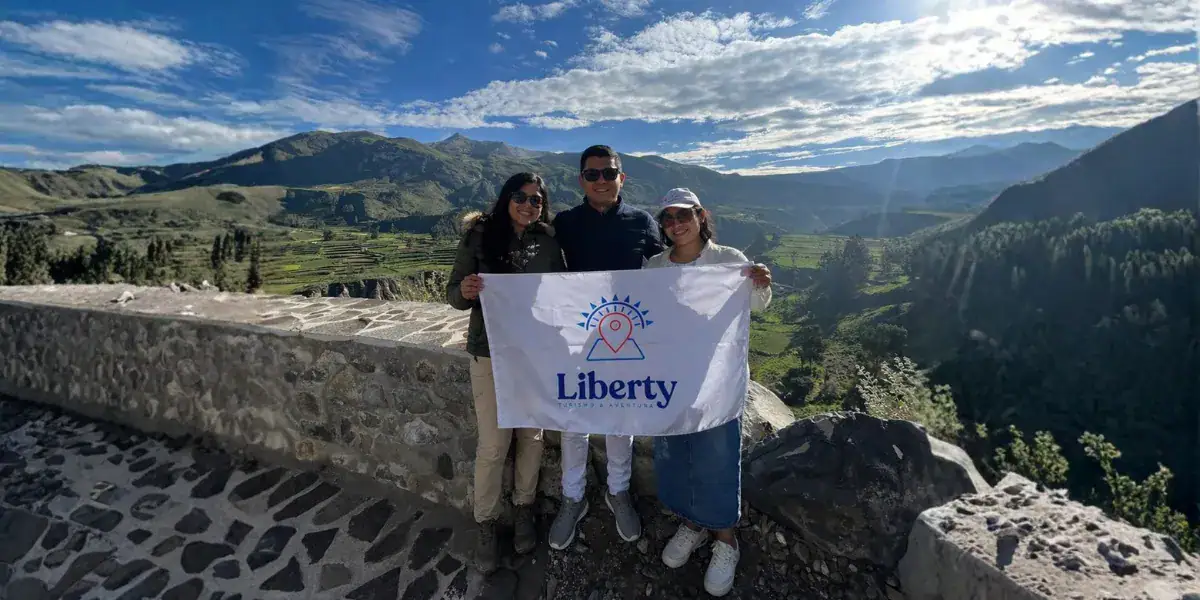
The Colca tour is where most travelers report symptoms, especially at the Mirador de los Volcanes (4,910m). The 3 a.m. departure helps you reach the highest point at dawn, when the body is most rested. Turismo Liberty always stops at Patahuasi for coca tea before the summit. If you feel strong dizziness at the viewpoint, sit down, breathe slowly and let your guide know.
🌊 Puno and Lake Titicaca (3,800m) — The most demanding city on the circuit
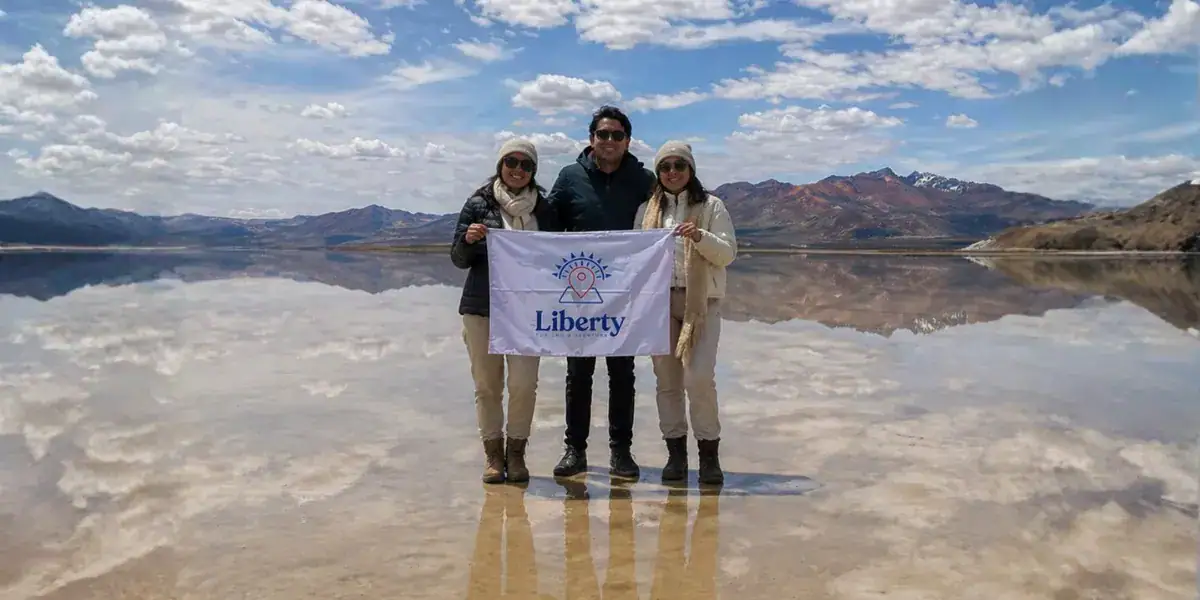
Puno is the highest city on the circuit and where the most care is needed. The ideal way to arrive is via the panoramic bus from Cusco (the Ruta del Sol), which ascends gradually and allows for stops. Don’t do physical activities on your first day. On the second day, the Uros and Taquile Islands tour is gentle and doesn’t require intense physical effort.
🏛️ Cusco (3,400m) — The excitement trap
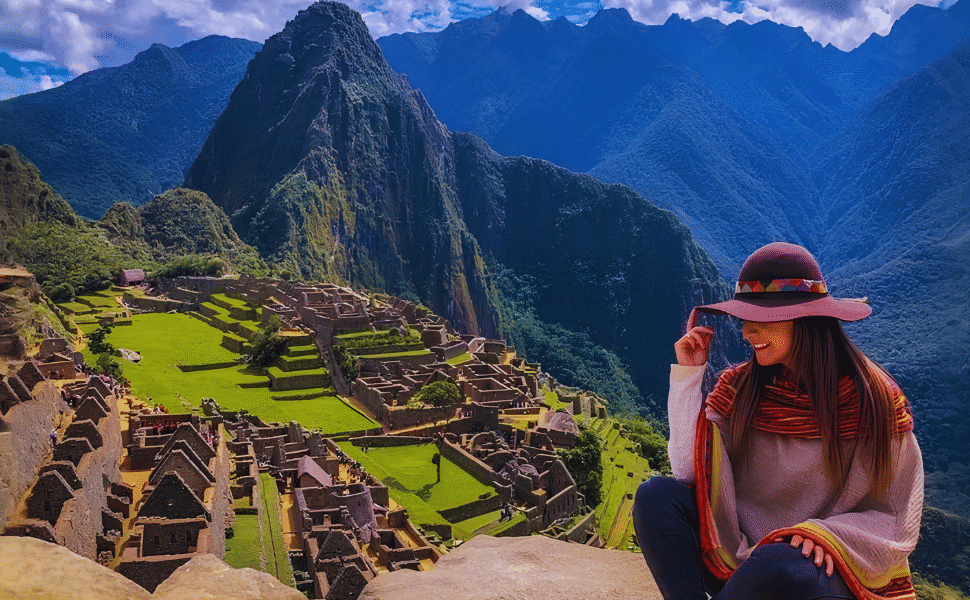
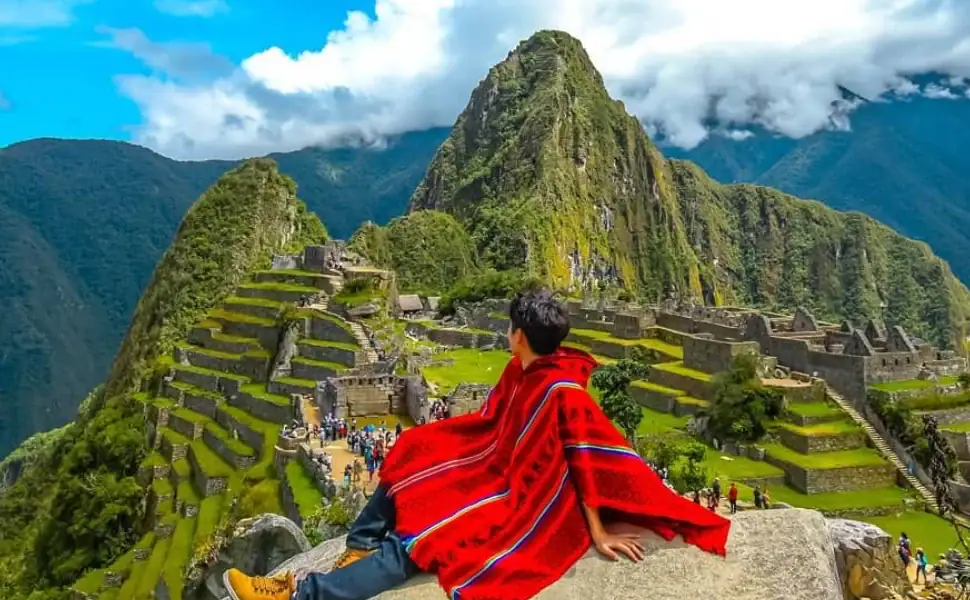
Cusco is where most tourists underestimate soroche: they arrive excited by direct plane from Lima and want to rush off to see Machu Picchu. Mistake. The first day in Cusco must be complete rest. The second day, the city tour and Sacsayhuamán go well. The third day, Machu Picchu — which is actually at only 2,430m, much lower than Cusco, so it usually feels like a relief.
🎒 What to pack for altitude sickness: complete 2026 checklist
This is the packing list Turismo Liberty shares with all international travelers before their tour. Save it before you fly:
- Coca tea bags (buy in Peru or bring from home if your country permits)
- Coca candies (buy at pharmacies in Arequipa upon arrival)
- Sorojchi Pills or ibuprofen for headaches
- Acetazolamide (Diamox) if your doctor prescribed it — start 24h before ascending
- Reusable water bottle of at least 1 liter (keep refilling throughout the day)
- Layered clothing: altitude means large temperature swings (up to 20°C difference between midday and night)
- SPF 50+ sunscreen (UV radiation at 3,000-5,000m is very intense)
- UV400 sunglasses
- Light snacks: nuts, energy bars (avoid heavy meals in the first days)
- Travel insurance with altitude medical coverage — essential for the Andean circuit
❓ Frequently asked questions about altitude sickness in Peru 2026
Altitude sickness in Arequipa, Cusco and Puno doesn’t have to be an obstacle. With the southern Peru circuit well planned, the right destination order and the tips in this guide, the vast majority of travelers complete the route without problems. What is guaranteed: the views, the condors over Colca, the sunrise on Lake Titicaca and Machu Picchu — all waiting for you on the other side of acclimatization. Worth every meter of altitude.
Ready to plan your southern Peru trip?
Turismo Liberty builds your itinerary in the ideal order to avoid altitude sickness. Certified guides, hotel pickup and no hidden fees. We reply within minutes.