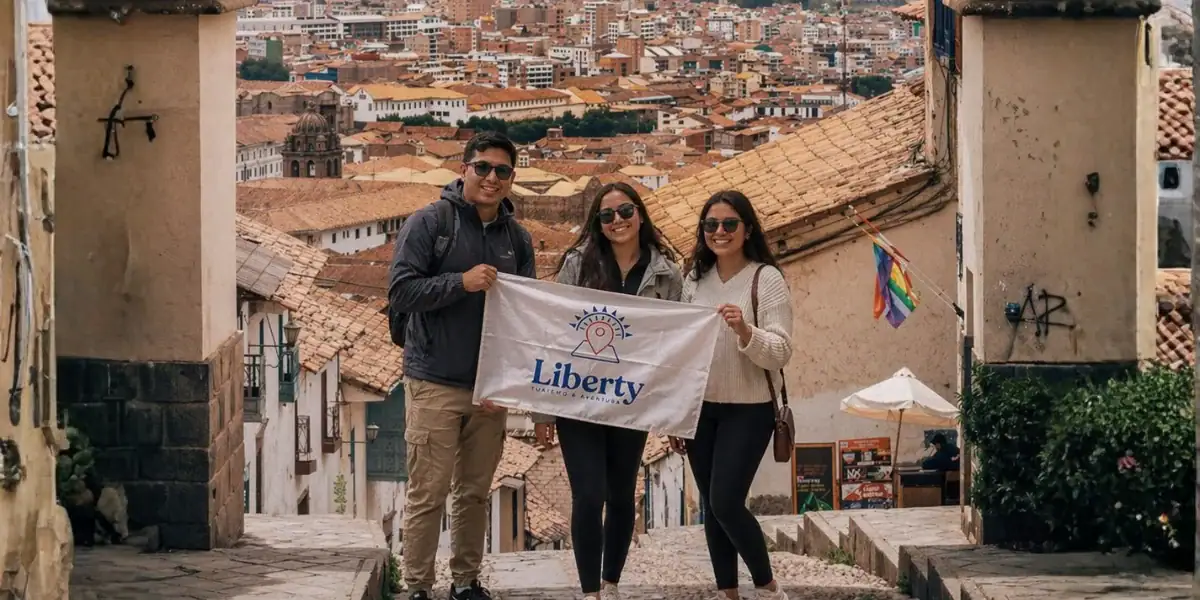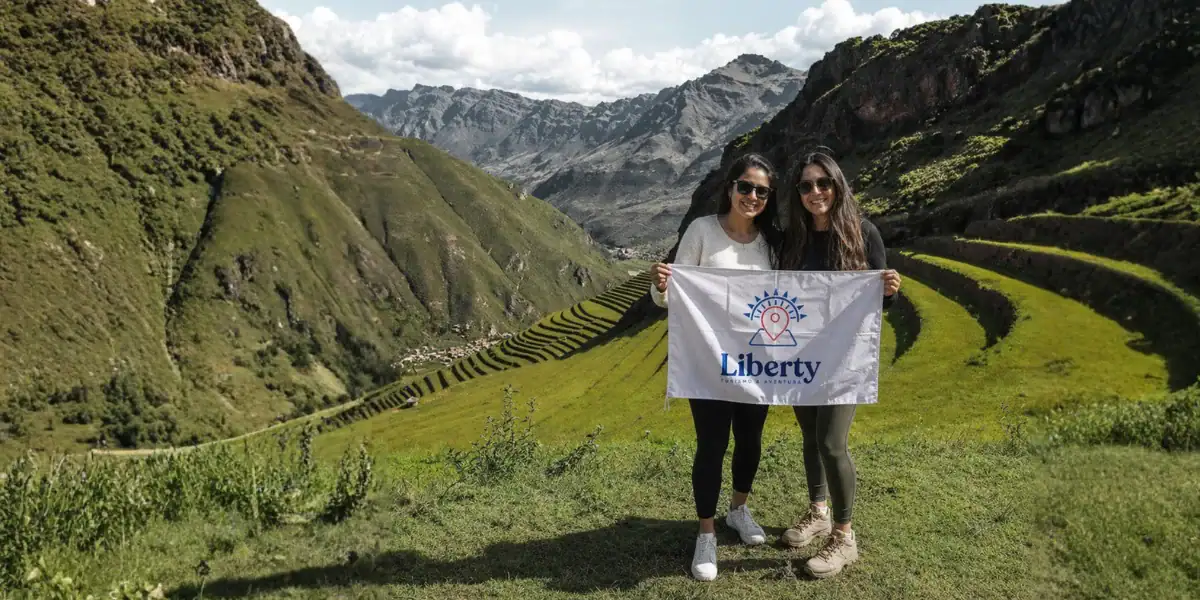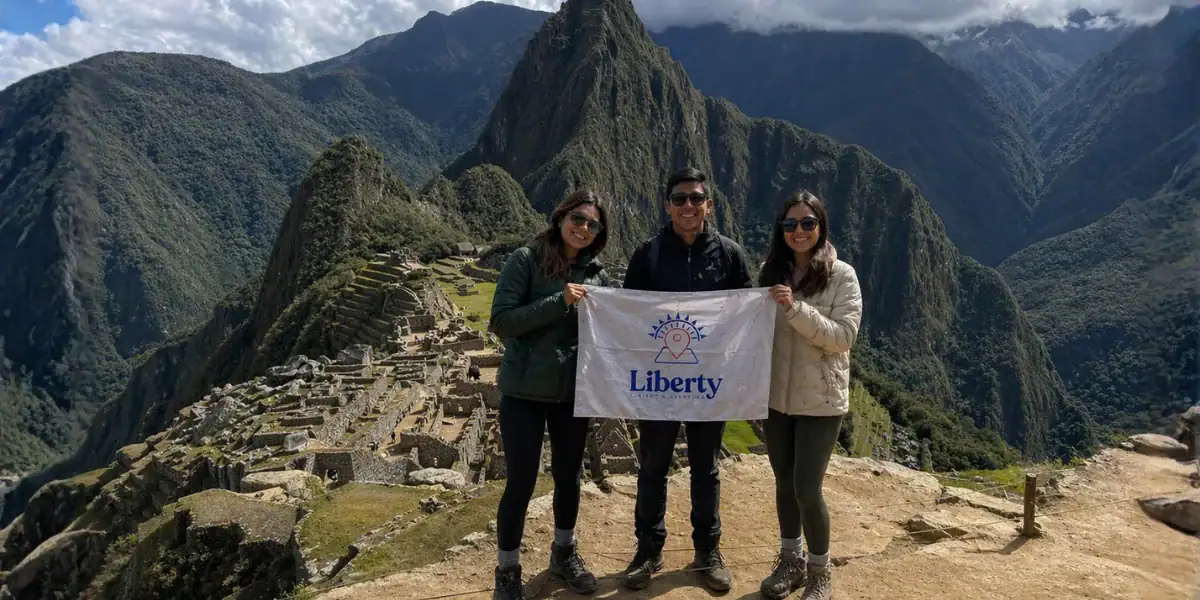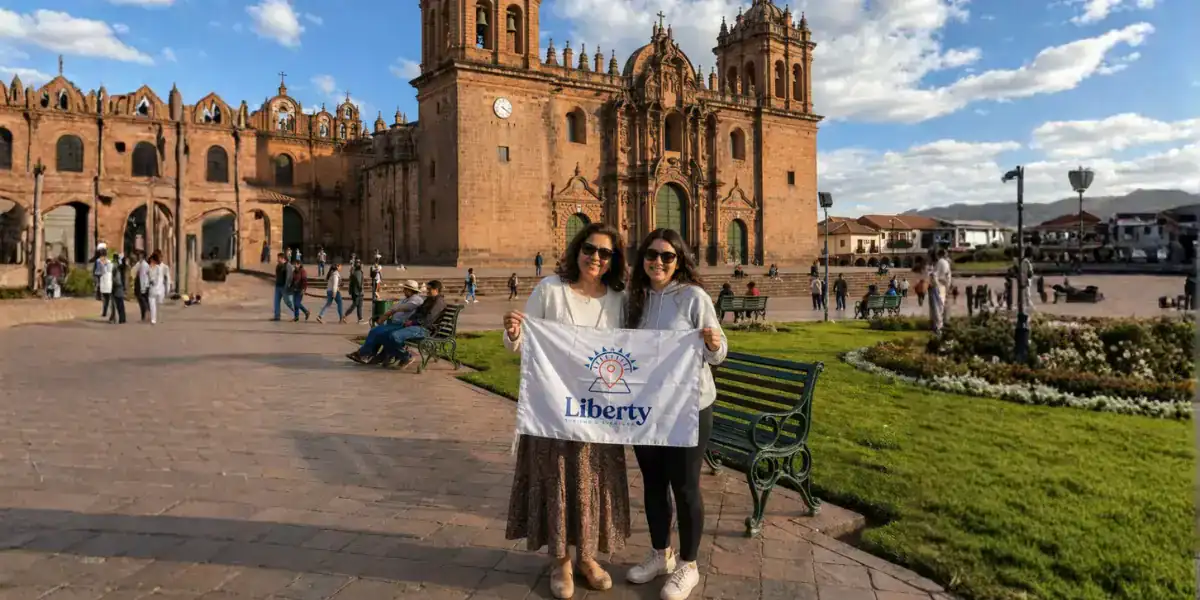
Your first morning in Cusco can catch you off guard if you plan it wrong: altitude sickness hits hard when you jump straight into trekking after landing. The solution local guides have recommended for years is exactly the opposite — the Cusco City Tour. A half-day vehicle tour with short stops that lets you see the best of the imperial city without overexerting your body in the first hours at 3,399 m above sea level. The Cusco City Tour with Turismo Liberty starts from $35 USD per person and includes a bilingual guide, transport, and hotel pickup.
In four to five hours you’ll visit Qorikancha, the fortress of Sacsayhuaman, the ceremonial sites of Qenqo, Puca Pucara, and Tambomachay, plus a photo stop at Cristo Blanco with the city at your feet. It’s the ideal starting point before taking on more demanding excursions like Humantay Lake or Machu Picchu — and probably the single most culturally rewarding experience per hour in all of southern Peru.
🏛️ Cusco City Tour with Turismo Liberty: price and what’s included
Turismo Liberty operates the Cusco City Tour daily in two time slots. The reference price is $35 USD per person in a shared group. Here is what’s included and what’s not:
| ✅ Included | ❌ Not included |
|---|---|
| Hotel pickup in Cusco’s historic center | Partial Tourist Ticket – Circuit 1 (approx. S/.70) |
| Round-trip tourist transport to all sites | Qorikancha entrance fee (S/.15) |
| Certified bilingual guide (Spanish–English) | Cusco Cathedral entrance (S/.25, optional) |
| Visits to Qorikancha, Sacsayhuaman, Qenqo, Puca Pucara & Tambomachay | Tips for the guide (optional) |
| Photo stop at Cristo Blanco | Meals and drinks during the tour |
| Permanent guide assistance | Personal travel insurance |
🗿 What to visit on the Cusco City Tour: the 6 sites on the route
The city tour covers the most important archaeological and historical sites in Cusco and its surroundings. Each site has its own character — and the order of the route is designed so the experience makes chronological and visual sense.
1. Qorikancha — The Temple of the Sun
Qorikancha was the most sacred temple of the Inca Empire, dedicated to the sun god Inti. Its walls were literally covered in gold — more than 700 pure gold sheets, according to Spanish chroniclers. The conquistadors looted it and built the Convent of Santo Domingo on top, creating a unique architectural fusion: perfectly fitted Inca stonework supporting colonial baroque arches. The result is visually stunning and culturally revealing.
2. Sacsayhuaman — The ceremonial fortress
Two kilometers north of the historic center, Sacsayhuaman dominates Cusco from the heights. Its three zigzag terraces are built with limestone blocks weighing up to 130 tonnes, fitted together without mortar with a precision that still astonishes modern engineers. From the esplanade there is an extraordinary panoramic view of the entire city. It is also where the Inti Raymi — the Festival of the Sun — is celebrated every June 24th.
3. Qenqo — The sacred labyrinth
Qenqo (Quechua for “labyrinth”) is a ceremonial site with underground galleries carved directly into living rock. Archaeologists believe it was used for mummification rituals and astronomical practices. Its central altar, carved straight into the rock, is one of the most enigmatic in southern Peru.
4. Puca Pucara — The red fortress
Puca Pucara (“red fortress”) was a military control post on the road to the Sacred Valley. Its pinkish stone walls give it a different appearance from the other Inca sites in the area. It also served as a tambo — a rest stop for the chasquis (royal messengers) and official travelers of the Tawantinsuyu.
5. Tambomachay — The Inca’s fountains
Tambomachay is the water temple: a complex of aqueducts, channels, and ceremonial fountains that function with surprising hydraulic precision even today. Water flows at a constant rate through all three levels of the construction — leading researchers to conclude that the site had a ritual role in the Andean veneration of water as a sacred element.
6. Cristo Blanco — Cusco’s panoramic viewpoint
The tour ends with a photo stop at the Cristo Blanco, a few meters from Sacsayhuaman. From there you get the best aerial view of the imperial city: colonial terracotta rooftops, the Plaza de Armas, baroque churches, and the Andean hills in the background. It’s the Cusco photo most travelers take home.
🗺️ Cusco City Tour itinerary: step by step
The tour begins with hotel pickup and ends in Cusco’s historic center. The order of visits is designed to minimize transfer times and maximize time at each site:
- Hotel pickup — 15 min before departure. The tourist vehicle stops at your accommodation in the historic center. If your hotel is outside the pickup zone, the guide will tell you the nearest meeting point.
- Qorikancha (approx. 8:30 AM). First visit: the Temple of the Sun and the Convent of Santo Domingo. The guide explains the Inca-colonial architectural overlay and the symbolism of gold in the Andean worldview. Duration: 40–50 minutes.
- Vehicle transfer to the outer archaeological sites. 10–15 minutes drive toward the hills north of Cusco.
- Sacsayhuaman. The longest stop on the tour: zigzag terraces, colossal stone blocks, and a panoramic view of the city. Duration: 45–60 minutes.
- Qenqo, Puca Pucara, and Tambomachay. The three sites are close together. The guide adjusts time at each depending on the group. Combined duration: 45–60 minutes.
- Cristo Blanco — photo stop. Panoramic view of Cusco before heading back. 10–15 minutes.
- Return to Cusco’s historic center — approx. 1:30 PM (morning departure) or 6:00 PM (afternoon departure).
🕐 Cusco City Tour 2026 schedule and prices
| Option | Best for | Reference price |
|---|---|---|
| City Tour only (half day) | First or second day in Cusco, acclimatization | From $35 USD/person |
| City Tour + Machu Picchu (4 days) | First visit to Cusco with everything organized | See full tour |
| City Tour + Humantay + Machu Picchu (5 days) | Combining city, nature, and history | See full tour |
🏔️ Cusco City Tour and your first day: how to avoid altitude sickness
Cusco sits at 3,399 meters above sea level. Most travelers arriving from low-altitude cities experience some degree of altitude sickness in the first 24 hours: headaches, fatigue, nausea, or shortness of breath. The most common mistake is planning physically demanding activities for day one.
The city tour is the exception to that rule: the entire route is done by vehicle with short stops and a pace the guide adapts to the group. You walk very little, sit frequently, and rest between sites. It’s exactly what the body needs while adjusting to the altitude.
Acclimatization strategy recommended by Turismo Liberty
- Day 1 — Arrival and rest. Arrive in Cusco, check in, drink coca tea at the hotel, and rest. If you arrive in the morning and feel well, the afternoon city tour departure (1:30 PM) is perfectly viable.
- Day 2 — Cusco City Tour. The ideal option: you already have a few hours of acclimatization and your body has partially adjusted. Choose the morning slot (8:30 AM) to have the afternoon free.
- Day 3 — Sacred Valley. Pisac, Moray, and the Maras Salt Mines are at 2,600–3,000 m — lower than Cusco, which aids gradual acclimatization.
- Day 4 onward — Mountain tours or Machu Picchu. With three days of acclimatization, your body is ready for Humantay Lake, Rainbow Mountain, or the train to Machu Picchu.
📅 Best time to do the Cusco City Tour in 2026
The Cusco City Tour runs year-round, but there are important differences between seasons. The choice of timing mainly affects weather conditions at Sacsayhuaman and the other open-air sites:
| Months | Weather | Tour conditions | Recommendation |
|---|---|---|---|
| May – October | Dry, clear skies, cold nights | Excellent — firm ground, perfect light for photos | ⭐⭐⭐ High season |
| June – August | Best season, 0–5°C at night | Perfect — Inti Raymi (Jun 24) is unmissable at Sacsayhuaman | ⭐⭐⭐ Peak |
| November – December | Start of rains, cloudy afternoons | Good — brief showers that don’t affect the vehicle-based tour | ⭐⭐ Acceptable |
| January – March | Rainy season, afternoon downpours | Viable — the tour still runs; bring a rain poncho | ⭐ With caution |
| April | Transition, less rain, fewer tourists | Very good — stable price and less crowding at the sites | ⭐⭐⭐ Highly recommended |
🎒 What to bring on the Cusco City Tour
The city tour is the most accessible tour in Cusco — no special physical preparation or specialist gear required. Even so, a few items make a real difference to your comfort:
- Partial Tourist Ticket – Circuit 1 (S/.70) — buy it before the tour at the Regional Directorate of Culture or at the site ticket booths.
- Qorikancha entrance fee (S/.15) — paid at the ticket booth; bring cash in soles.
- Sneakers or shoes with non-slip soles — Sacsayhuaman’s walls have irregular stone steps.
- SPF 50+ sunscreen — altitude significantly amplifies UV ray intensity.
- Cap or hat — the archaeological sites offer very little shade.
- Light jacket or fleece — on the morning departure, temperatures at Sacsayhuaman can be 8–12°C.
- Water bottle — at least 1.5 liters. Staying hydrated is the most effective tool against altitude sickness.
- Coca tea or coca tablets — available at any Cusco market. They help with acclimatization.
- Rain poncho — in rainy season (November–March) brief showers are common.
- Passport or ID — required to enter the sites with the Tourist Ticket.
- Camera or phone with a full battery — Cristo Blanco and Sacsayhuaman offer two of the best photo opportunities in Peru.
❓ Frequently asked questions about the Cusco City Tour 2026
The Cusco City Tour with Turismo Liberty starts from $35 USD per person in a shared group. The price includes hotel pickup, tourist transport, and a certified bilingual guide. Entrance fees are not included: the Partial Tourist Ticket Circuit I (S/.70) and the Qorikancha entrance (S/.15) are paid separately at the ticket booths. Check the current price via WhatsApp before your trip, as it may be adjusted during peak season.
The Turismo Liberty Cusco City Tour includes: hotel pickup in the historic center, round-trip tourist transport, certified bilingual guide (Spanish–English), and guided visits to Qorikancha, Sacsayhuaman, Qenqo, Puca Pucara, Tambomachay, and Cristo Blanco. Not included: site entrance fees (approx. S/.85 total), meals, tips, or travel insurance.
Yes — it’s the most recommended activity for day one precisely because it’s done by vehicle with short stops. No long walks, no intense physical effort. If you arrive in Cusco in the morning, the afternoon slot (1:30 PM) is perfect for starting with a few hours of acclimatization already under your belt. If you arrived the day before, the morning slot (8:30 AM) is the best option.
Total duration is 4 to 5 hours, including transfers. The morning tour departs at 8:30 AM and returns to central Cusco at approx. 1:30 PM. The afternoon tour departs at 1:30 PM and returns at approx. 6:00 PM. The guide adjusts time at each site according to the group’s pace.
Both have their advantages. The morning slot has fewer visitors at the archaeological sites and softer light for photography. The afternoon slot offers golden-hour light at sunset over Sacsayhuaman and from Cristo Blanco — ideal for photography with the city at your feet. If you have more excursions planned for the following days, the morning slot leaves your afternoon free to rest and acclimatize better.
Yes. The city tour is specifically designed to be compatible with first exposure to altitude. The route is done by vehicle with short stops, with no long uphill walks. Turismo Liberty guides are trained to detect symptoms of altitude sickness and carry a first aid kit. The activity is suitable for all ages and normal fitness levels.
Ready for the Cusco City Tour 2026?
The Cusco City Tour with Turismo Liberty departs every day — morning or afternoon from your hotel. From $35 USD per person with bilingual guide included. Check availability now via WhatsApp.