If you’re comparing options for trekking in Cusco in 2026, the first question isn’t which trail looks best in photos — it’s which one you can still book in time. With Turismo Liberty, the Salkantay Trek 4 days/3 nights starts at $595, the Inca Trail 4 days/3 nights at $815, and the Choquequirao Trek 4 days/3 nights at $665 — all three with a professional guide, every meal, and camping gear included. If you already know which route you want, message us on WhatsApp +51 959 175 901 and we’ll confirm spots within minutes.
The real difference between these three routes isn’t just scenery — it’s the permit system, how far ahead you need to book, and the type of physical effort each one demands. The Inca Trail runs on only 500 permits a day shared across every licensed operator in Peru, and as of August 2026, March through September are already sold out for the entire month — November and December are the only months still open. This guide compares all three side by side: price, real difficulty (not just the label “moderate-challenging”), day-by-day itinerary, and everything you need to know before booking any of them.
🏔️ The 3 Cusco Treks: Quick Comparison 2026
Before the details, here’s the essential snapshot of each route so you can quickly see which fits your budget, timeline and fitness level:
| Trek | Price from | Duration | Max altitude | Reaches Machu Picchu |
|---|---|---|---|---|
| Salkantay Trek | $595 | 4 days / 3 nights | 4,630 m (Salkantay Pass) | Yes, by train from Aguas Calientes |
| Inca Trail | $815 | 4 days / 3 nights | 4,215 m (Warmiwañusca) | Yes, on foot through the Sun Gate |
| Choquequirao Trek | $665 | 4 days / 3 nights | 3,600 m (Choquequirao complex) | No — ends at the Choquequirao citadel |
Turismo Liberty also runs shorter versions of two of these treks for travelers with less time: the 2-day/1-night Inca Trail from $595 and the 3-day/2-night Salkantay from $529.
🧭 What Each Trek Is — and Why to Choose It
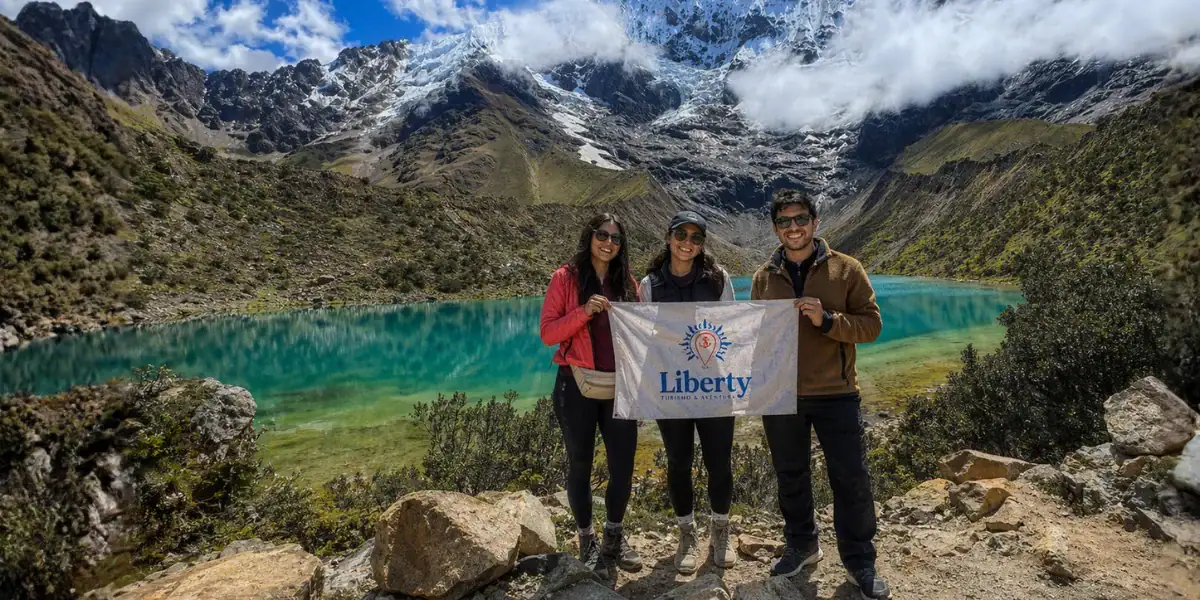
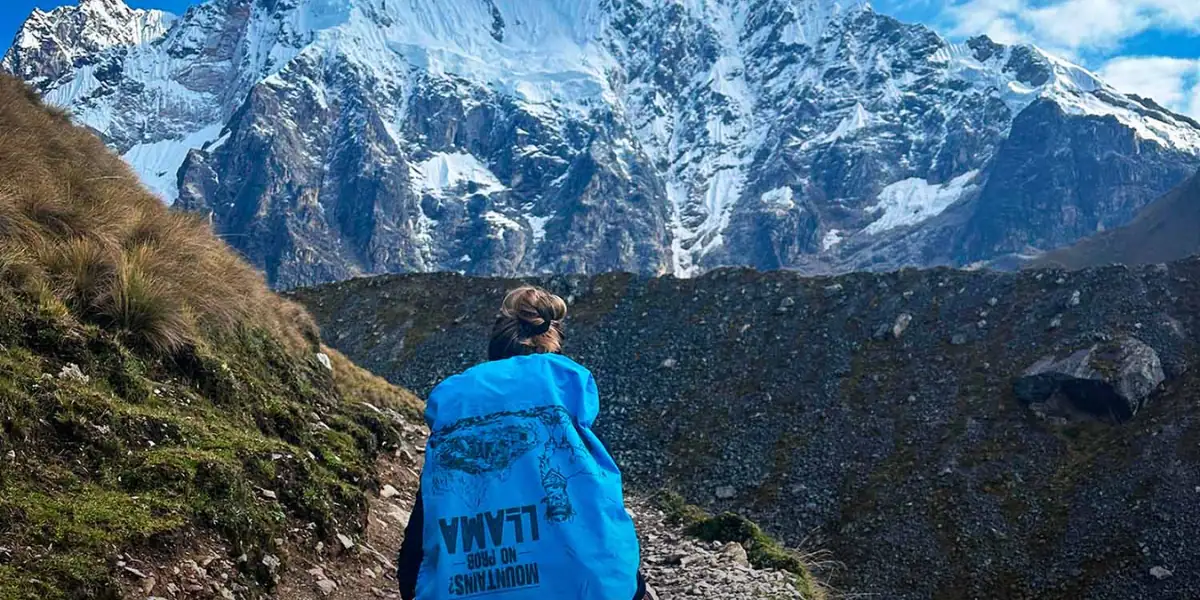
Salkantay: the go-to alternative when Inca Trail permits are gone. It crosses a glacial pass beneath Apu Salkantay (6,271 m), stops at turquoise Humantay Lake on day one, and descends through cloud forest to Aguas Calientes, where you catch the train to Machu Picchu the next morning. It’s the most scenically varied of the three: snow, glacial valley and high jungle in one continuous route.
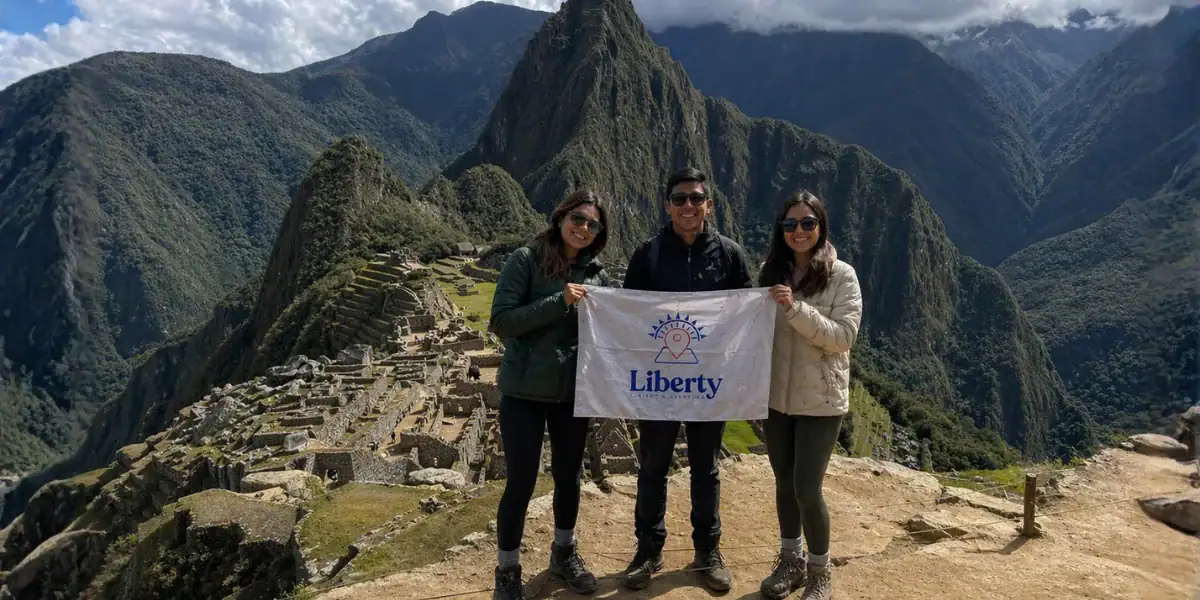
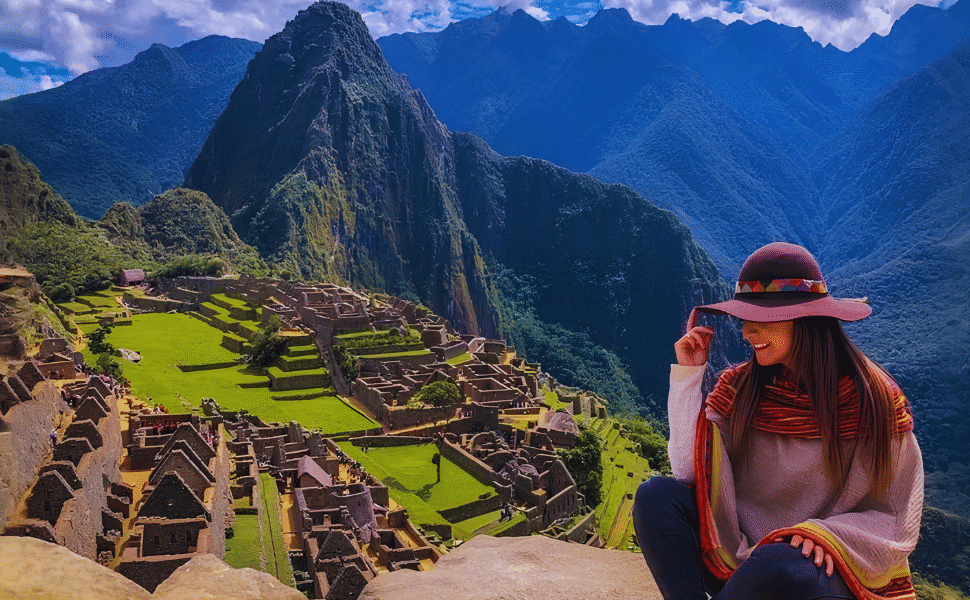
Inca Trail: the only one of the three routes that reaches Machu Picchu on foot, entering through the historic Sun Gate (Inti Punku) at dawn on day four. It passes exclusive archaeological sites — Runkurakay, Sayacmarca, Phuyupatamarca, Intipata — that no other route visits. It’s also the most in-demand, which is exactly why it needs the most advance booking.
Choquequirao: doesn’t reach Machu Picchu at all — it climbs to a separate Inca citadel, often called Machu Picchu’s “sacred sister” for its similar architecture, but visited by a fraction of the travelers who see Machu Picchu each year. It’s the pick for anyone who’s already done Machu Picchu, or wants a trek without the crowds.
🗓️ Day-by-Day Itinerary: Salkantay Trek 4 Days
This is Turismo Liberty’s standard Salkantay program — the most flexible of the three routes to book:
- Day 1 — Cusco → Mollepata → Soraypampa → Humantay Lake: hotel pickup, transfer to Mollepata, and a 12 km hike (~8 hours) to Soraypampa, with a detour to Humantay Lake (4,200 m). Overnight at Lodge del Cielo, 3,900 m.
- Day 2 — Soraypampa → Salkantay Pass → Challway: the toughest day — 24 km (9-10 hours) crossing the glacial pass at 4,630 m, the highest point of all three treks. Camp at Challway.
- Day 3 — Challway → Playa → Hydroelectric → Aguas Calientes: 22 km (6-7 hours) descending through cloud forest, ending at Aguas Calientes (2,000 m), right below Machu Picchu.
- Day 4 — Guided Machu Picchu tour and return to Cusco: bus up to the citadel, a roughly 5-hour guided tour, and return to Cusco by train.
The Inca Trail follows a similar 4-day arc, but with its highest point (Warmiwañusca, 4,215 m) on day 2 and the walk into Machu Picchu through the Sun Gate very early on day 4, after a 2:00-4:00 AM departure. Choquequirao, by contrast, doesn’t climb or descend gradually: it drops to 1,850 m on day 1, climbs almost 2,000 m on day 2 to reach the citadel, and repeats that same elevation swing in reverse on days 3 and 4 — the pattern that makes many guides call it the most physically exhausting of the three.
⚖️ Which Is Hardest: Salkantay, Inca Trail or Choquequirao
All three are officially rated “moderate-challenging,” but the type of effort differs:
| Trek | Total distance | Main challenge | Toughest moment |
|---|---|---|---|
| Salkantay | ~58 km over 3 hiking days | Extreme altitude (4,630 m) | Day 2: crossing the glacial pass |
| Inca Trail | ~37 km over 3 hiking days | Altitude + pre-dawn departure | Day 4: night ascent to the Sun Gate |
| Choquequirao | ~54 km with steep elevation swings | Accumulated elevation on the legs | Day 2: 3.5-hour climb from 1,950 m to 3,600 m |
🎫 Permits: Why You Need to Book Months Ahead
This is the most important practical difference between the three routes. The Inca Trail is a state-regulated trail: only 500 permits per day are issued between tourists and support staff, split across every licensed operator in the country — you can’t buy the permit yourself, only through an agency. In high season (June-August), book 4 to 6 months ahead; in low season (December-March, except February), a month is usually enough. The trail closes entirely every February for annual maintenance.
Salkantay and Choquequirao have no daily permit cap, so they can be booked with far more flexibility — in many cases with just 1 to 2 weeks’ notice during shoulder season.
🌤️ Best Time of Year for Trekking in Cusco
The dry season (March through November) is recommended for all three treks, with the best weather between May and September. For a broader look at Cusco’s climate outside the trekking context, see our best time to visit Cusco 2026 guide.
| Period | Weather | Inca Trail | Salkantay / Choquequirao |
|---|---|---|---|
| June – August | Dry, clear skies, very cold nights | Highest demand — permits sell out first | Runs normally, good visibility |
| April – May / September – October | Good weather, fewer crowds | Good availability if booked 2-3 months out | Recommended — ideal balance |
| February | Heavy rain | Closed for maintenance | Runs, with higher rain risk |
| November – December / January – March (except Feb.) | Rainy season, green landscapes | Lower demand, more permits open | Runs, slightly lower pricing |
🎒 What to Pack for a Multi-Day Trek in Cusco
- Sleeping bag (rated to about -10°C/14°F) — NOT included in any of the three treks; easy to rent in Cusco.
- Trekking poles — also not included; strongly recommended for the Salkantay Pass or the Choquequirao descents.
- Layered clothing — from a base thermal layer to a waterproof jacket; temperature swings sharply between day and night at altitude.
- Broken-in hiking boots — never wear brand-new footwear on a 4-day trek.
- Insect repellent, sunscreen and UV sunglasses — the sun burns much faster at altitude than at sea level.
- Cash in Peruvian soles — for tips, snacks and small purchases in trailside villages.
- Altitude sickness pills or coca leaves — especially for the day of the highest pass.
💰 Price & What’s Included in Each Trek
With Turismo Liberty, the Salkantay Trek 4 days/3 nights starts at $595, the Inca Trail 4 days/3 nights at $815, and the Choquequirao Trek 4 days/3 nights at $665, all per person. All three include a certified professional guide, tourist transportation, every meal cooked by a trail chef, camping equipment, a first-aid kit with oxygen, and the relevant entrance fees. The Inca Trail also includes the official permit and the return train from Aguas Calientes. What none of them include: a sleeping bag, trekking poles, day-1 breakfast, or lunch/dinner on the final day.
🍽️ Food & Camping on the Trail
On all three treks, a specialized high-altitude trail chef prepares breakfast, lunch and dinner every day, with vegetarian options available on request. Accommodation varies: on Salkantay, the first night is at Lodge del Cielo (covered cabins), with tent camping on the following nights; on the Inca Trail and Choquequirao, it’s two-person tent camping the entire route, with camping gear carried by porters or mules. If you’d rather skip camping entirely, the one-day Humantay Lake tour ($39) lets you see part of the Salkantay scenery without spending a night on the trail.
❓ Frequently Asked Questions: Trekking in Cusco 2026
All three leave from Cusco and run 4 days / 3 nights, but they end in different places. The Inca Trail (from $815 with Turismo Liberty) is the only route that enters Machu Picchu through the Sun Gate, requires a limited official permit, and needs to be booked months ahead. Salkantay (from $595) crosses a glacial pass at 4,630 m, passes Humantay Lake, and reaches Machu Picchu by train — no special permit needed. Choquequirao (from $665) does not reach Machu Picchu at all: it climbs to the Choquequirao citadel, a far less-visited Inca site reached across a steep canyon.
With Turismo Liberty, the Salkantay Trek 4 days/3 nights starts at $595 per person, the Inca Trail 4 days/3 nights at $815, and the Choquequirao Trek 4 days/3 nights at $665. All three include a professional guide, all meals, camping equipment, and entrance fees. Shorter versions also exist: the 2-day/1-night Inca Trail from $595 and the 3-day/2-night Salkantay from $529, for travelers with less time or budget.
All three are rated moderate-to-challenging, but the difficulty comes from different things. Salkantay is the most demanding altitude-wise: the Salkantay Pass reaches 4,630 m, the highest point of the three routes. The Inca Trail combines distance, altitude (4,215 m), and a pre-dawn departure on day 4 to reach the Sun Gate at sunrise. Choquequirao is widely considered the most physically exhausting because of its elevation swings — hikers descend to 1,850 m and climb almost 2,000 m back up on the same day, twice during the trek.
The Inca Trail runs on just 500 permits per day shared across every licensed operator in the country, so it’s recommended to book 4 to 6 months ahead for high season (June-August). In low season (December-March, except February when the trail closes for annual maintenance), 1 month is usually enough. Salkantay and Choquequirao have no daily permit cap, so they can be booked with much more flexibility and less lead time.
All three Turismo Liberty treks include a certified professional guide, all meals (breakfast, lunch and dinner cooked by a trail chef), tourist transportation, camping equipment, a first-aid kit with oxygen, and the relevant entrance fees. The Inca Trail also includes the official permit and the return train from Aguas Calientes. None of the three include: a sleeping bag, trekking poles, day-1 breakfast, or the final day’s lunch and dinner — all of which are easy to rent or buy in Cusco before departure.
The best window for Salkantay, the Inca Trail and Choquequirao is the dry season, March through November, with the best weather between May and September. The Inca Trail closes entirely every February for annual maintenance, so that month is off the table for that specific route (Salkantay and Choquequirao still operate in February, though with more rain). June, July and August are the busiest months and where Inca Trail permits sell out first.
Choosing between Salkantay, the Inca Trail and Choquequirao isn’t about which one photographs best — it’s about your travel dates, your budget and your real fitness level. Once you know what you’re after, Turismo Liberty coordinates the guide, permits, meals and camping gear in a single booking, so all you have left to do is walk. Trekking in Cusco with us starts at $595 per person.
Ready for your Cusco trek?
Salkantay from $595, Inca Trail from $815, and Choquequirao from $665 — all three with a certified professional guide, every meal, and camping equipment included. Frequent departures based on availability. No middlemen.