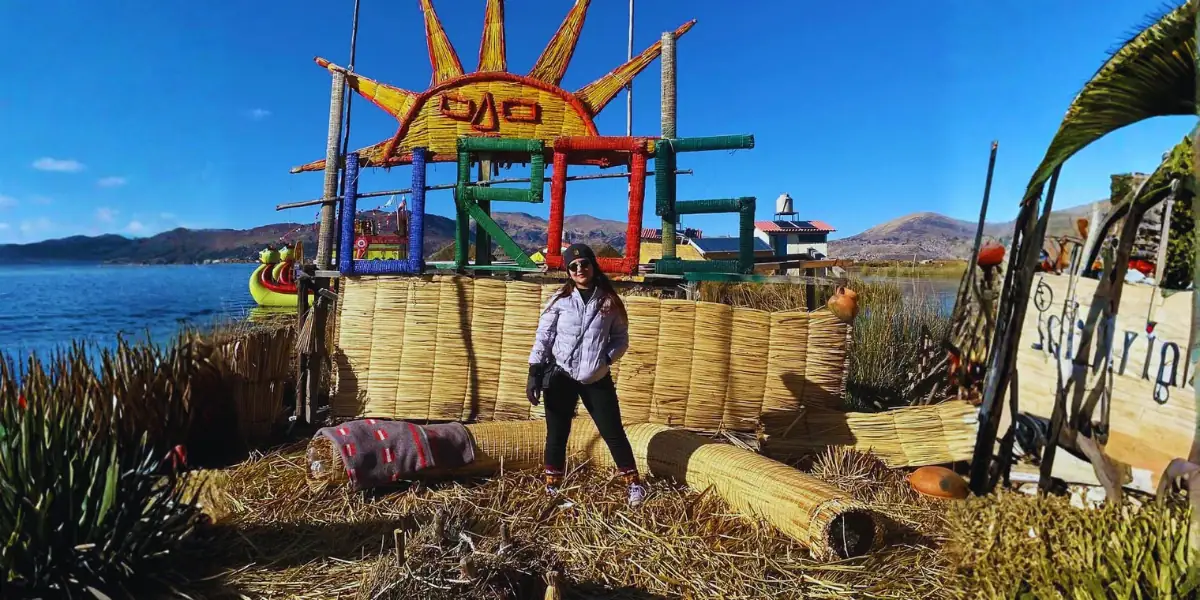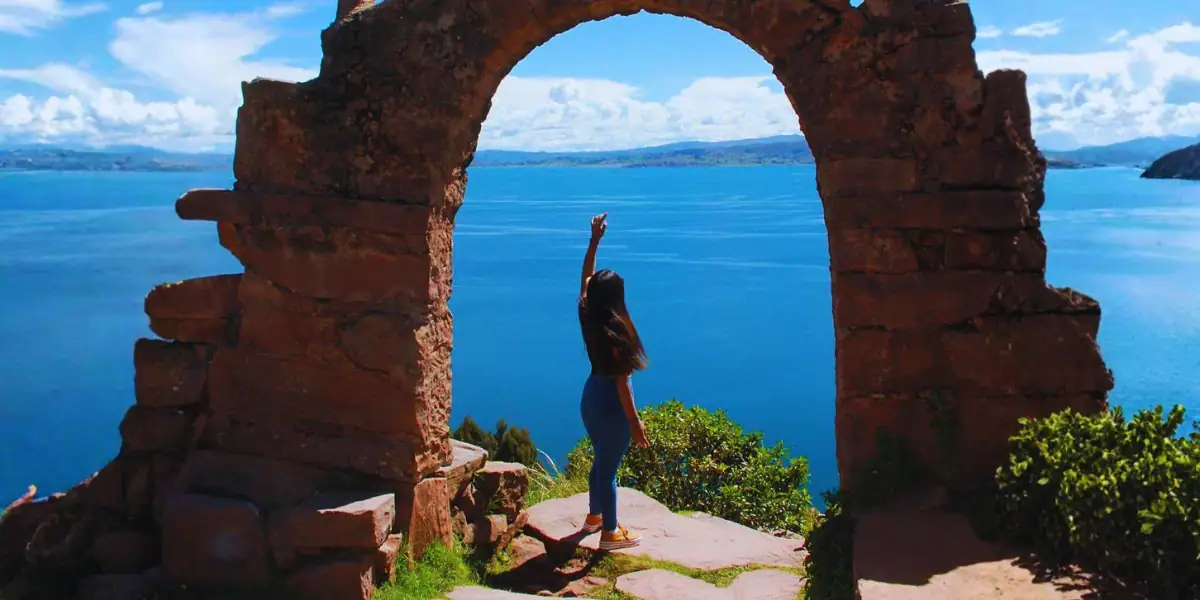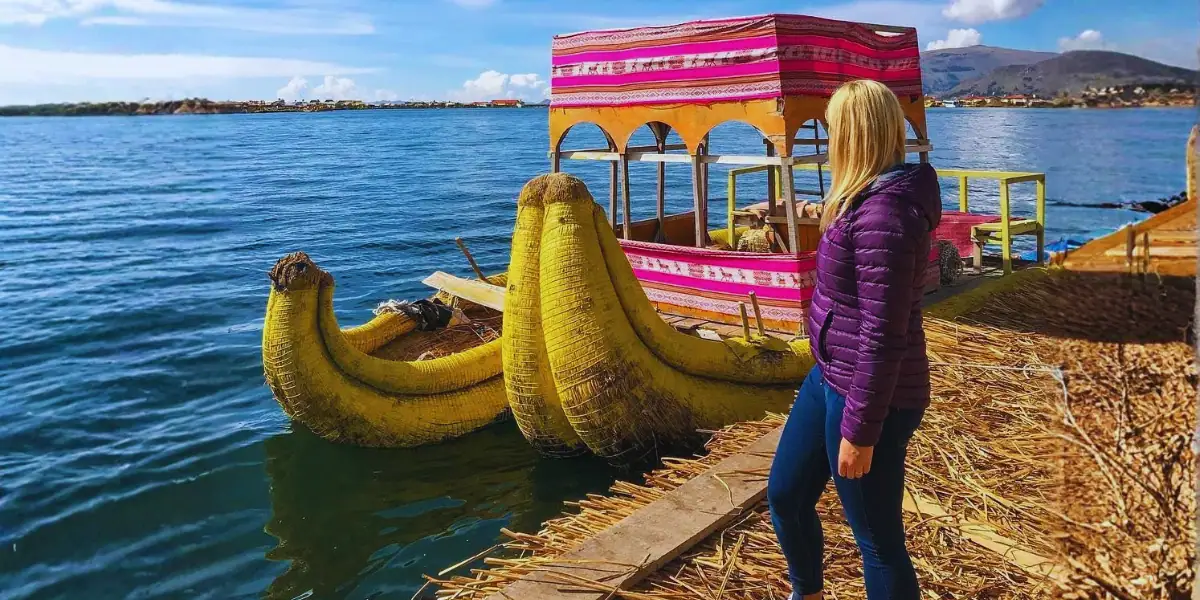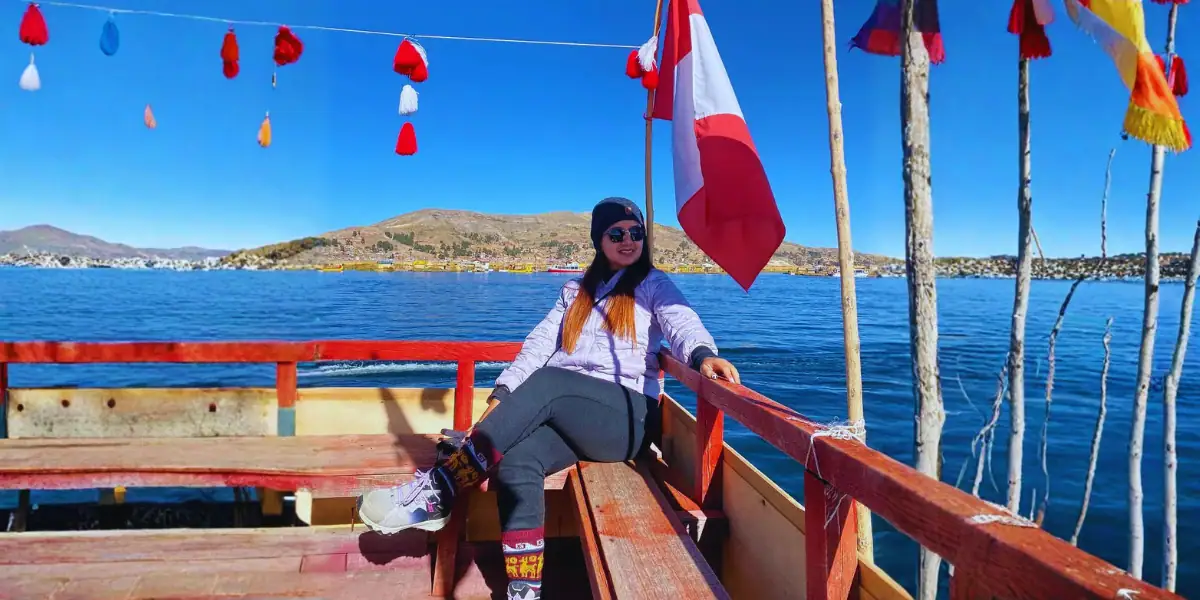
Puno food is one of the best-kept secrets in southern Peru. While everyone talks about Lake Titicaca and the floating islands, very few travelers prepare for what awaits them on the plate: fresh trout caught at 3,812 masl, thick soups that warm you through the highland cold, alpaca and lamb cooked with pre-Inca techniques, and the purest quinoa on the continent prepared in ways no restaurant in Lima can replicate. The Full Day Tour Uros & Taquile Islands by Turismo Liberty includes a traditional lunch with fresh Titicaca trout from $55 per person. Write to us on WhatsApp +51 959 175 901 and we confirm availability in under 5 minutes.
This is not a generic list. It covers the 8 dishes no visitor should miss in Puno in 2026 — where to eat each one (specific restaurants and real prices), when during your trip you will find them, and what makes them unique within Peruvian highland cuisine.
🍽️ The tour and the traditional lunch: what’s included, price and departure point
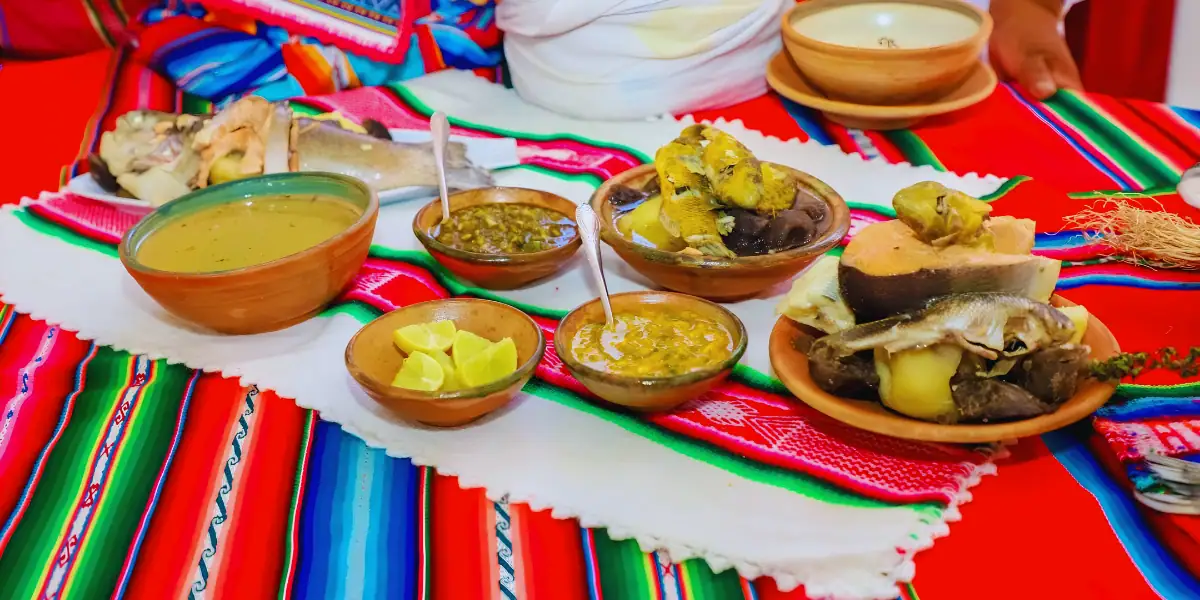
Before going dish by dish, there is one insight that changes how you plan the food experience in Puno: the best traditional meal in the region is not eaten in a city restaurant — it’s eaten on the islands. On Taquile, local families cook Lake Titicaca trout with quinoa and native Andean potatoes from their own garden. The flavor has no equivalent in any tourist venue in the city.
| Detail | Information |
|---|---|
| Tour | Full Day Uros Islands & Taquile — Lake Titicaca |
| Price | $55 per person (traditional lunch included) |
| Duration | Full day — departure 7:00 AM, return ~5:30 PM |
| Departure point | Hotel pickup in central Puno |
| Included | Certified bilingual guide, transport to dock, boat, entrance fees, traditional lunch on Taquile |
| Not included | Drinks, tips, handicrafts |
| Difficulty | Easy — suitable for all ages |
🐟 Lake Titicaca Trout: the dish that defines Puno
Rainbow trout in Lake Titicaca is not native to Peru — it was introduced from North America in the 1940s — but it has spent nearly a century adapting to the cold waters of the world’s highest navigable lake. The result is a firm-fleshed, mild-flavored fish with a texture found nowhere else on the continent. At 3,812 masl, with water temperatures consistently between 10 and 14°C, Titicaca trout grows more slowly and develops a different fat profile than any farmed variety.
It is prepared two main ways: grilled (most recommended — lets the fish’s natural flavor shine) and fried (more popular in the market and budget restaurants). In both versions it is served with native Andean potatoes and a simple salad. On Taquile and Amantaní islands, families cook it without industrial oil — using the same methods passed down through generations. That is the version included in the Turismo Liberty tour.
In the city of Puno, the best trout is served at Mojsa Restaurant (Jr. Lima 635, 2nd floor) and La Casa del Corregidor (Jr. Deustua 576). At Mercado Latkacota you can also find fried trout at a much lower price — around S/ 15-22 — though in a completely different setting to the islands.
🍲 Chairo puneño and Andean soups: warmth at altitude
Chairo puneño is the most representative soup of the Peruvian highlands. Its base is chuño negro — freeze-dried, fermented potato left outdoors during freezing nights, a technique the Aymara people perfected over 2,000 years ago. To that is added chalona (sun- and cold-dried lamb), native Andean potatoes, broad beans, carrot and seasonal herbs. The result is a thick, dark, deeply flavored broth that brings immediate comfort when your body feels the chill of 3,800 masl.
It is not a light dish — it has the heartiness of something designed for full days of work in the highland fields. In local Puno restaurants it is served at lunch between S/ 10 and S/ 18. What you will not find on any tourist menu is chairo made with homegrown chuño and artisanal chalona — that version only exists in local family homes and communities like Taquile or Amantaní.
Other soups worth trying in Puno:
- Lamb head broth (caldo de cabeza) — The classic market breakfast. Intense, energizing, served with potatoes and ají. S/ 8-12 at Mercado Latkacota.
- Quinoa chupe — A creamy soup with quinoa, potatoes, broad beans and paria cheese. Milder than chairo. Ideal for your first day in Puno.
- Huarjata — Offal broth from beef or lamb, traditional in highland villages. Found only in local markets and community festivals.
🥩 Cancacho and Andean meats: highland flavor in every bite
Cancacho puneño is lamb marinated the night before in a mixture of vinegar, ají panca, garlic, cumin, oregano and lemon juice, then slow-roasted until the skin is crispy and the meat falls off the bone. It is the centerpiece dish at Puno’s patron festivals — especially in Ayaviri, where cancacho holds a regional designation of origin — and at Sunday family gatherings across the altiplano. In the city it can be found at specialist restaurants between S/ 30 and S/ 45 per serving with potatoes and roasted chuño.
The other defining meat of Puno cuisine is alpaca. Unlike lamb, alpaca meat is lean — less fat than chicken — with a flavor some describe as halfway between beef and lamb, milder than the name suggests. It is eaten mainly as chicharrón de alpaca (deep-fried in its own fat, crispy outside and juicy inside) and in stews with quinoa. La Estancia Grill in Puno is the benchmark for quality alpaca.
🌾 Puno Quinoa: the world’s superfood at its source
Puno produces 60% of all quinoa grown in Peru and over 50% of all quinoa exported worldwide. That is not marketing — it is the official figure from the Puno Regional Agricultural Directorate. For travelers, it means that nowhere else on the planet is quinoa eaten with the variety, freshness and depth of preparation found in the Puno region.
The main forms in which quinoa appears on the Puno table are pesque de quinua (a thick porridge with fresh milk and paria cheese — the most nutritious highland breakfast), quinoa chupe (creamy soup), and mazamorra de quinua (a thick dessert with cinnamon and clove). In Lake Titicaca communities it is also served as a simple side with trout, barely cooked with salt — and in that form its natural flavor is expressed with the greatest purity.
The paria cheese that accompanies the pesque is another product exclusive to the region: a fresh sheep’s milk cheese, mild in flavor and semi-soft in texture, produced only in the Puno altiplano. It does not exist in any other Peruvian market. If the Turismo Liberty guide offers a taste at the market before the tour, always say yes.
📍 Where to eat traditional food in Puno: practical guide 2026
One gap that no article about Puno food resolves well is exactly where to eat each dish and how much to expect to pay. Here is the real practical guide:
| Place | Type | Specialty | Price range |
|---|---|---|---|
| Mercado Latkacota | Local market | Lamb head broth, pesque de quinua, fried trout, maca juice | S/ 8-22 |
| Taquile Island (on tour) | Family home | Fried Lake Titicaca trout + native potatoes + quinoa | Included in $55 tour |
| Amantaní Island (2D/1N tour) | Homestay | Full menu with lake and island produce | Included in package |
| Mojsa Restaurant — Jr. Lima 635 | Tourist restaurant | Grilled trout, cancacho, alpaca loin | S/ 35-65 |
| La Casa del Corregidor — Jr. Deustua 576 | Café restaurant | Traditional dishes, tunki coffee, Andean breakfasts | S/ 20-45 |
| La Estancia Grill — Av. Circunvalación | Specialty grill | Alpaca chicharrón, cancacho, grilled meats | S/ 40-70 |
The advice from Turismo Liberty guides for Puno: go to Mercado Latkacota for your first breakfast between 7 and 9 AM, then save lunch for the islands. That combination covers both ends of Puno food — the authentic local market experience and a direct encounter with Titicaca families. You can plan the full itinerary in our guide to 3 days in Puno 2026.
📅 Best time to visit Puno for food and weather in 2026
Puno’s gastronomy changes with the season because many ingredients are seasonal. This table helps plan what to expect each month:
| Season | Months | Weather | Food highlights |
|---|---|---|---|
| 🌞 Dry | May – October | Sunny days, cold nights (0–5°C) | ⭐ Best trout of the year · Cancacho at festivals · Pesque at markets |
| 🌧️ Rainy | Nov – March | Frequent rain, milder temperatures | More fresh vegetables · Huatía in communities · Quinoa mazamorra |
| 🎭 Candelaria | February 2027 | Cold with sporadic rain | Cancacho at festivities · Chicha de maíz · Full festive gastronomy |
| 🍂 Shoulder | April, November | Variable | Normal access to all traditional dishes |
For travelers visiting specifically for the food experience, June and July are the best months: dry climate, trout at peak flavor, patron saint festivals with cancacho in highland villages and Lake Titicaca at its clearest. It is also peak tourism season, so book in advance — Turismo Liberty tours fill up 4 to 7 days ahead in those months.
🎒 Tips before you try Puno food
The highlands impose some physical conditions that directly affect the food experience. Turismo Liberty guides recommend the following:
- Acclimatize before eating heavily — On your first day in Puno, your body may have less appetite. Start with light broths (quinoa chupe, chicken broth) and save the cancacho and whole trout for day two or three.
- Coca tea before lunch — This is not folklore: coca leaf infusion reduces altitude sickness and aids digestion at 3,800 masl. It is available in every restaurant and market in Puno at no extra charge.
- Have breakfast at the market before the tour — Mercado Latkacota opens from 6 AM. A lamb broth or pesque de quinua before boarding the boat is what locals do — it makes sense: the tour lasts all day and lunch is served at 1 PM on Taquile.
- Hydrate more than usual — At altitude your body loses water faster. Always carry a 1.5-litre bottle, especially on island tour days when the highland sun is intense.
- Bring soles for the market — Market stalls at Latkacota do not accept cards. S/ 30-50 in cash covers a full breakfast with fresh juice.
- Ask specifically about fresh paria cheese — It is sold at the local market and is one of the most distinctive products of Puno. If your guide does not mention it during the walk, ask for it by name.
❓ Frequently asked questions about Puno food in 2026
The most representative dish of Puno is fried Lake Titicaca trout, followed by chairo puneño (a hearty soup with freeze-dried potato, dried lamb and vegetables) and cancacho (marinated roasted lamb). Trout is best eaten on Taquile and Amantaní islands, where it is fished directly from the lake — that version is included in the Turismo Liberty Full Day Tour from $55 per person.
Mercado Latkacota is the best option for authentic and affordable food: lamb broth from S/ 8, pesque de quinua from S/ 10, fried trout from S/ 15. Best to go between 7 and 9 AM. For a full lunch with lake trout at fair price and genuine cultural context, the lunch on Taquile Island included in the tour is unmatched. For restaurants with a menu in the city, Mojsa Restaurant and La Casa del Corregidor offer good value.
Chairo is a thick, nutritious soup — the most emblematic dish of Puno. It is made with chuño negro (freeze-dried black potato using an Aymara technique over 2,000 years old), chalona (sun-dried lamb), native Andean potatoes, broad beans, carrot and seasonal herbs. It is hearty and warming for the cold altitude at 3,800 masl. You can find it in almost every local restaurant in Puno for S/ 10-18 at lunch.
Yes, with basic common sense. Mercado Latkacota is the most recommended by Turismo Liberty guides: choose stalls with a steady flow of local customers and freshly cooked food. Hot soups and stews are especially safe. Arrive between 7 and 9 AM when everything is freshly prepared. Avoid stalls with food left out uncovered and without customers.
Yes — and it is one of the most authentic culinary experiences in Puno. On tours to Taquile and Amantaní, the traditional lunch includes fresh Lake Titicaca trout prepared by local families using centuries-old Quechua recipes. The Full Day Tour Uros & Taquile by Turismo Liberty includes that lunch from $55 per person. Write to us on WhatsApp to confirm availability.
Pesque de quinua is a thick quinoa porridge with fresh milk and paria cheese — the most nutritious breakfast in the Puno highlands. Puno produces 60% of all quinoa grown in Peru, so this dish is made here with the freshest raw ingredient on the continent. Find it at Mercado Latkacota between 6 and 9 AM (S/ 8-12), and at some restaurants in central Puno. It also appears as a side dish in community lunches on the islands.
The food of Puno is inseparable from Lake Titicaca — the same communities that built the Uros floating islands developed, over millennia, a cuisine adapted to the most extreme highland conditions: 3,800 masl, freezing nights, volcanic soil and a lake that provides everything. Visiting Puno without eating trout on Taquile, chairo at the market, or pesque de quinua at dawn is missing half the journey. Turismo Liberty includes that traditional lunch in every island departure — from $55, with hotel pickup in central Puno.
Ready to taste Puno food on the islands?
The Full Day Tour Uros & Taquile by Turismo Liberty includes a traditional lunch with fresh Lake Titicaca trout on Taquile Island, a certified bilingual guide and hotel pickup from $55 per person. Daily departures at 7:00 AM. No intermediaries.