 Message us on WhatsApp
The Sillar Route in Arequipa is the tour that surprises travelers the most — especially those who’ve already visited the Historic Center and want to understand where the white volcanic stone that built it actually comes from. Just 30 minutes from downtown, at the active Añashuayco quarries and the Culebrillas canyon, sillar is still being cut by hand today exactly as it was four centuries ago: chisel on stone, techniques passed down through generations. The half-day tour with Turismo Liberty departs at 9 a.m. and 2 p.m. from S/. 45, with hotel pickup and a certified bilingual guide included. If you have half a day free in Arequipa, this is the most authentic tour you can do.
This guide covers everything you need to know before booking: the full itinerary, what’s included and what isn’t, the history of sillar, how the tour compares to the City Tour, and answers to the questions we get most often on WhatsApp.
🗺️ The Sillar Route Tour: What’s Included, Price & Departure Point
The Sillar Route Tour by Turismo Liberty is a half-day tour covering the active Añashuayco quarries, Culebrillas canyon and Wari petroglyphs — the most complete way to understand the origins of Arequipa’s colonial architecture in just a few hours.
| Detail | Information |
|---|---|
| ⏱️ Duration | 4 hours (half day) |
| 🕘 Departures | 9:00 a.m. and 2:00 p.m. daily |
| 📍 Pickup point | Hotels in Arequipa’s Historic Center |
| 💪 Difficulty | Easy — short walks, suitable for all ages |
| 🌍 Languages | Spanish and English |
| 📅 Availability | Year-round — daily departures |
| 💰 Price | From S/. 45 per person — confirm on WhatsApp |
✅ What’s included
- Round-trip tourist transport (hotel pickup in the Historic Center)
- Certified bilingual guide (Spanish-English) throughout the tour
- Visit to the active Añashuayco quarries with a live stone-cutting demonstration
- Walk through Culebrillas Canyon and the Wari petroglyphs
- Full assistance before and during the tour
❌ Not included (bring cash in soles)
- Entry to Añashuayco: S/5 per person
- Entry to Culebrillas: S/5 per person
- Tips for the guide and driver
- Personal snacks or water
🪨 What Is the Sillar Route and Why Is It Worth It
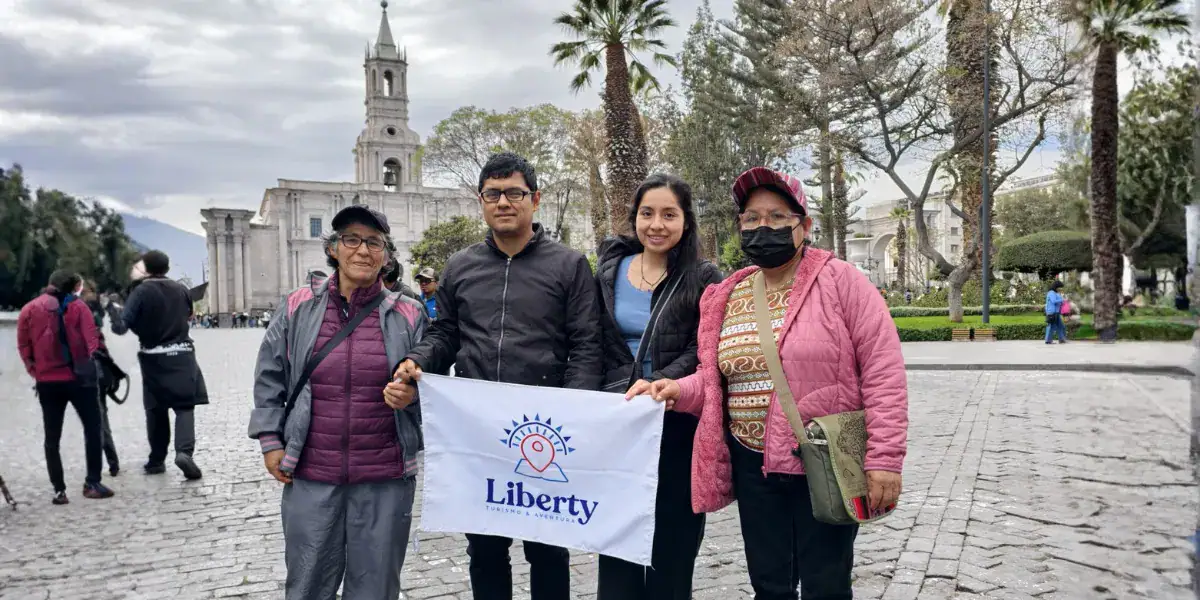
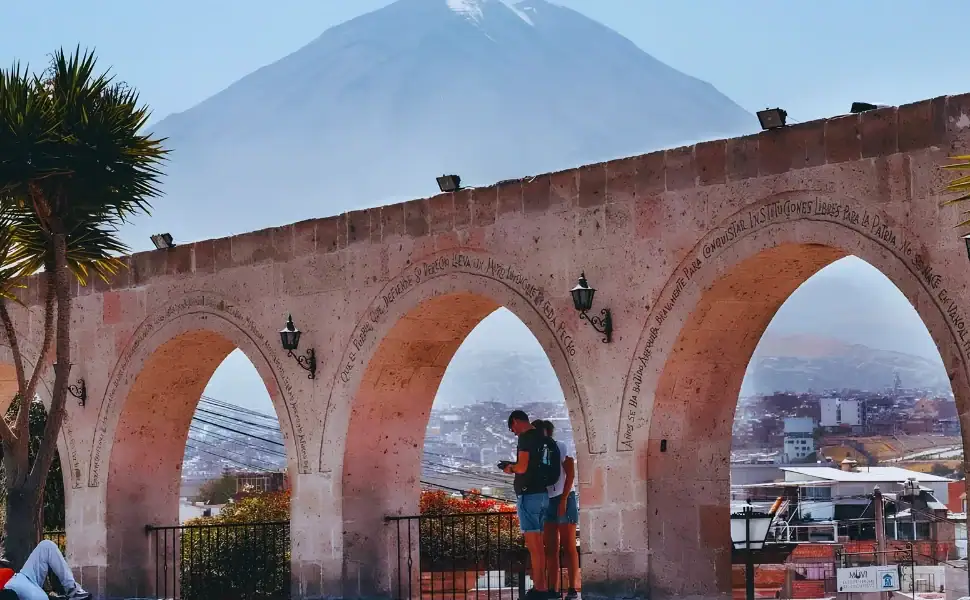
Sillar is a creamy-white volcanic rock formed from the ash of the Chachani volcano around 10,000 years ago. Its scientific name is ignimbrite, but in Arequipa it’s simply called sillar — and it’s literally the material that built the White City. Santa Catalina Monastery, the Cathedral, the Church of the Company of Jesus, the colonial mansions: all sillar. The Sillar Route takes you to where that material comes from: the living quarries where it is still cut by hand today.
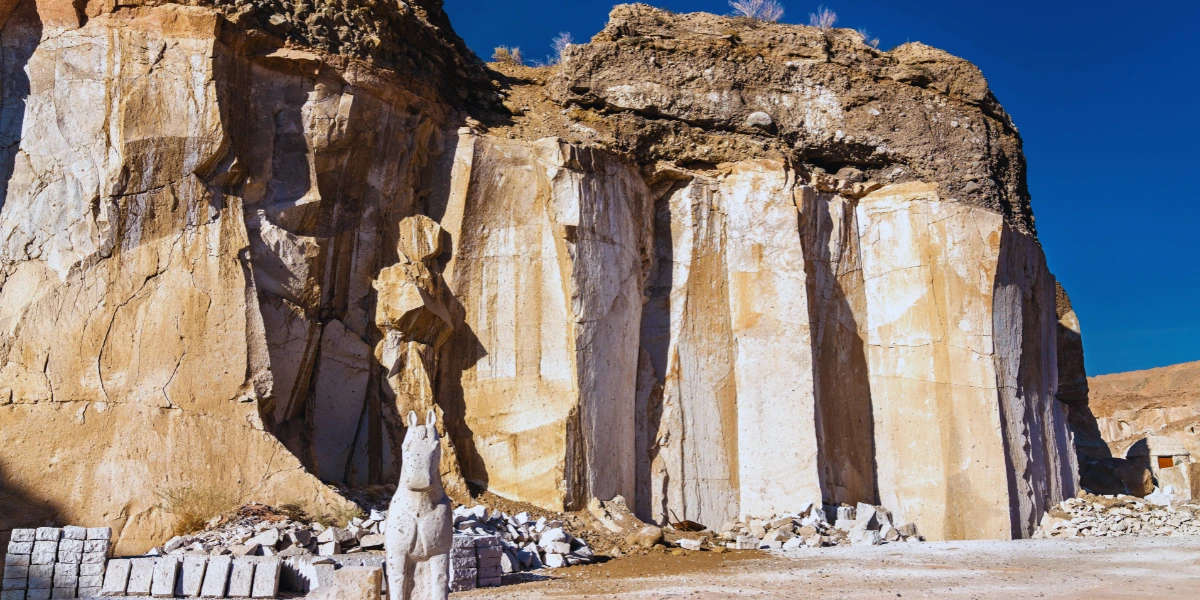
The tour has two main stops. The first is the Añashuayco quarries, in the Cerro Colorado district, where you can watch stonemasons at work in real time — cutting blocks with hand tools exactly as the craftsmen who built colonial Arequipa did. The second is the Culebrillas canyon, a gorge carved by water through volcanic rock that creates a lunar landscape of white walls and curious formations — and where Wari culture petroglyphs are etched into the rock, over 1,000 years old.
Unlike many nature tours, the Sillar Route requires no special physical effort. Walks are short, altitude doesn’t exceed 2,400 m (7,874 ft) and the terrain is comfortable. It’s the perfect tour to complement a visit to the Historic Center with an experience few travelers know about — one that explains, immediately and visually, why Arequipa is called the White City.
🕐 Full Itinerary: Hour by Hour
The tour has two daily departures. Here’s the breakdown based on the 9:00 a.m. departure — the 2:00 p.m. departure follows exactly the same route:
- 9:00 a.m. — Hotel pickup (Arequipa Historic Center). The day before the tour, the Turismo Liberty team confirms your exact pickup time and point via WhatsApp based on your hotel location. The van picks up all passengers before heading to the quarries.
- 9:30 a.m. — Arrival at Añashuayco Quarries (Cerro Colorado, ~30 min from downtown). First stop. The guide explains the geological formation of sillar and the history of Arequipa’s stonemasons. Walk among blocks in the process of extraction and speak directly with the craftsmen. Free time for photography.
- 10:30 a.m. — Transfer to Culebrillas Canyon (~15 min). Second stop. The guide introduces the history of the Wari culture and its connection to the area. Walk through the canyon — the white rock formations and petroglyphs are the highlight. The landscape of white walls against Arequipa’s blue sky is one of the most photogenic in southern Peru.
- 11:30 a.m. — Return to the Historic Center. The van heads back to Arequipa. The guide shares tips on how to spot sillar in the city’s buildings during the rest of your visit.
- 12:00–12:30 p.m. — Drop-off at original pickup point. End of tour. Passengers are dropped at the Historic Center or their hotels.
⛏️ Añashuayco Quarry: Where the White City Was Born
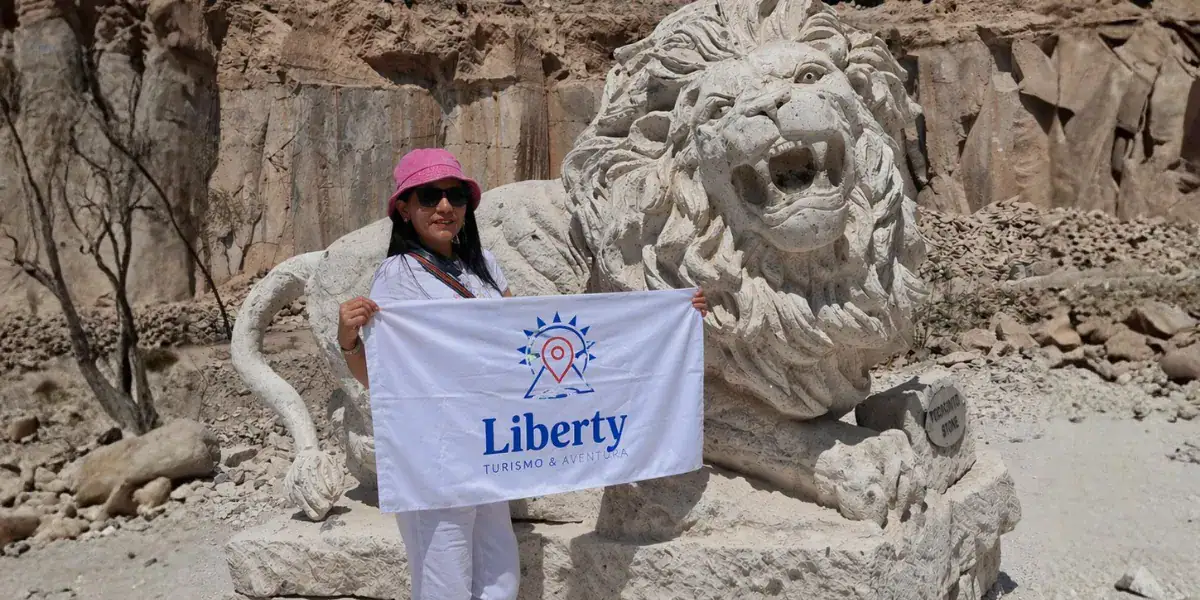
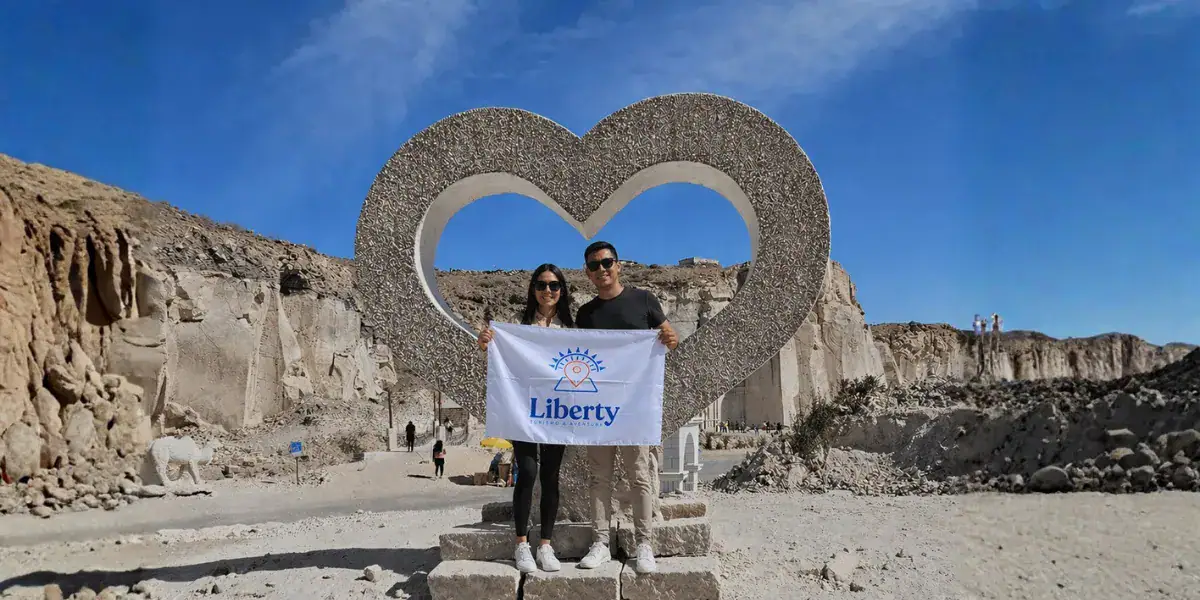
The Añashuayco quarries are in the Cerro Colorado district, about 8 km from Arequipa’s Historic Center. It’s an area where volcanic rock surfaces in perfect horizontal layers — like an open geology textbook — and where stonemasons have spent generations extracting the blocks still used today in the construction and restoration of colonial buildings.
What makes the visit special is watching the work live. The stonemasons use hand tools — picks, levers, chisels — and work in silence with a skill that comes from years of practice. A standard sillar block measures approximately 40 × 20 × 20 cm and weighs around 15 kg. An experienced stonecutter can produce between 20 and 30 blocks a day. Most of the material extracted today goes into colonial heritage restoration projects and high-end private construction in Arequipa.
🏔️ Culebrillas Canyon & Wari Petroglyphs
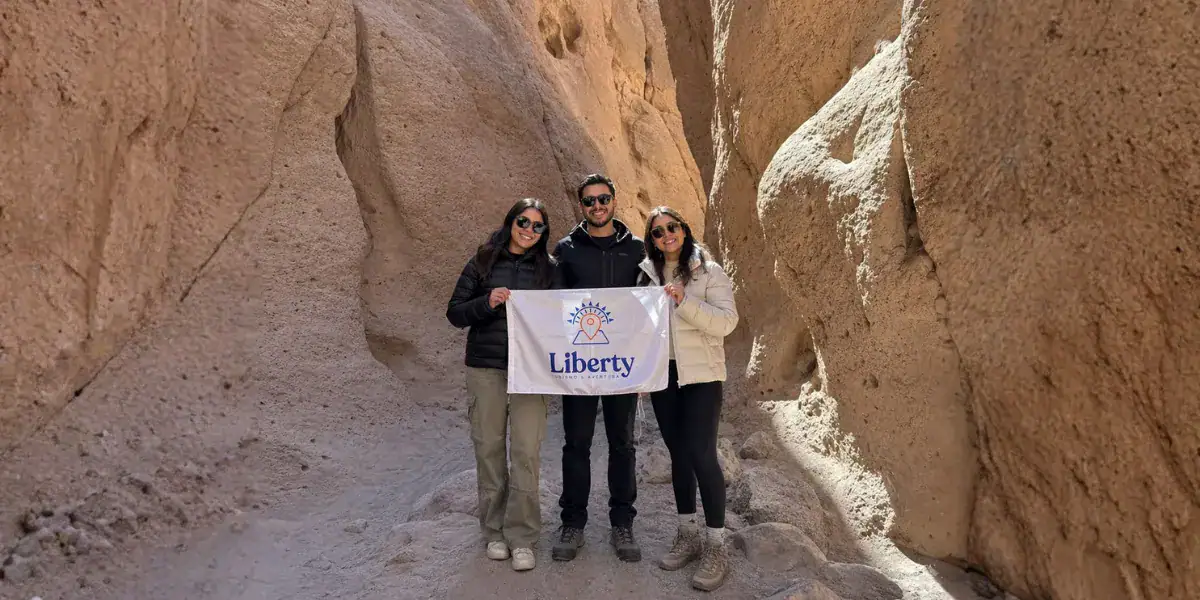
A few kilometers from the quarries, the Culebrillas ravine is a canyon carved by water through volcanic rock over millennia. The white sillar walls, sometimes over 10 meters high, create a maze of narrow passages and unusual formations that feel more like the Atacama Desert than the green Andes. The silence and the light are its most memorable qualities.
What makes Culebrillas culturally significant beyond the scenery are the Wari culture petroglyphs — carvings in the rock dating from approximately 600 to 1000 AD. The figures represent camelids (llamas and alpacas), serpents, spirals and geometric shapes that researchers associate with fertility rituals and maps of pastoral routes. The Turismo Liberty guide explains the meaning of each symbol in detail.
⚖️ Sillar Route vs Arequipa City Tour: Which One to Choose in 2026?
The most common question from travelers with limited time in Arequipa. Both are half-day options, both depart from the Historic Center, and both show very different sides of the city. This comparison helps you decide:
| Factor | 🪨 Sillar Route | 🏛️ Arequipa City Tour |
|---|---|---|
| Type of experience | Nature + industrial history | Architecture + colonial history |
| Physical difficulty | Easy — short walks | Easy — walking the city |
| Best for photography | 🏆 Unique landscape, white rock and volcanoes | ⚠️ Colonial heritage icons |
| Groups with children | 🏆 Very suitable — quarries fascinate kids | ⚠️ Can be long for young children |
| Cultural context | 🏆 Origin of sillar — understand the White City | 🏆 Colonial and religious history in depth |
| Price | From S/. 45 | Ask for price |
| Duration | 4 hours (half day) | 4–5 hours (half day) |
| Combinable in 1 day | ✅ Morning: Sillar / Afternoon: City Tour | ✅ Morning: Sillar / Afternoon: City Tour |
Recommendation: If you only have half a day in Arequipa and have already explored the center on your own, the Sillar Route is the experience you won’t find in any generic travel guide. If it’s your first day in the city and you want the main colonial highlights with historical context, the City Tour is the perfect foundation. And if you have a full day, combine both: Sillar in the morning (quarry light) + City Tour in the afternoon (Santa Catalina Monastery before closing).
🎒 What to Bring on the Sillar Route Tour
This is a low-exertion tour, but a few key items make the difference between a comfortable visit and a memorable one:
- SPF 50+ sunscreen: the quarries are open spaces with no shade — the reflection off the white sillar intensifies UV exposure. Apply before leaving the hotel
- Sunglasses: the contrast between white rock and Arequipa’s deep blue sky can be very hard on unprotected eyes
- Hat or cap: essential at the Añashuayco quarries, especially on the 9 a.m. departure with direct sun
- Closed-toe shoes with a sturdy sole: the terrain at the quarries and Culebrillas canyon has gravel and irregular rock — no sandals or platform shoes
- Water — at least 1 liter: Arequipa’s altitude (2,335 m / 7,661 ft) and sun exposure at the quarries cause more dehydration than expected
- Camera or phone with a full battery: the quarries and canyon are among the most photogenic spots in southern Peru — you won’t want to run out of charge
- Cash in soles: minimum S/10 for entry fees (S/5 Añashuayco + S/5 Culebrillas) + optional tip for the guide
- Comfortable, lightweight clothing: Arequipa has pleasant daytime temperatures — no warm layers needed for this tour
❓ Frequently Asked Questions — Sillar Route Tour Arequipa 2026
The Sillar Route Tour in Arequipa is the experience that transforms a visit to the White City. It’s not just about seeing volcanic stone — it’s about understanding why Arequipa is unique in the world, who built it and how that tradition stays alive today. With Turismo Liberty, the tour departs daily at 9 a.m. and 2 p.m. from S/. 45, with bilingual guide and hotel pickup included. Spots are limited — book in advance to secure your place.
Ready to book your Sillar Route Tour?
Daily departures at 9 a.m. and 2 p.m. From S/. 45 with bilingual guide and hotel pickup. We reply in under 5 minutes on WhatsApp.