 Start conversation
Altitude sickness in Puno is the first reality you face when arriving in Peru’s highest city: 3,827 metres above sea level. Soroche does not discriminate — it affects young backpackers and seasoned mountain travelers alike — and it can ruin your first days at Lake Titicaca if you are not well prepared. Turismo Liberty has been taking travelers to Puno for years and we tell you exactly what to expect, what to take and when you can safely start your tours. Message us on WhatsApp and we’ll build an itinerary adapted to your acclimatization pace.
Puno sits at a higher altitude than the standard acclimatization point for Everest Base Camp expeditions (3,500 m). The Peruvian altiplano where the city stands is one of the highest permanently inhabited areas in the world. This does not mean you should avoid it — it means you need to arrive with a plan. The good news: with 48 hours of rest, hydration and coca tea, the vast majority of travelers adapt without issue and can fully enjoy the Uros Floating Islands, Amantaní Island and the Chullpas of Sillustani.
🏔️ What Is Altitude Sickness and Why Does Puno Make It Worse?
Altitude sickness — known medically as AMS (Acute Mountain Sickness) and as soroche in the Andes — occurs when the body ascends faster than it can adapt to the reduced oxygen pressure at high elevation. At 3,827 m.a.s.l., Puno’s atmospheric pressure is approximately 40% lower than at sea level: every breath delivers less oxygen to the bloodstream.
What makes Puno unique — and different from Cusco (3,400 m) or Arequipa (2,335 m) — is a combination of three factors: its already-high base altitude, the fact that most travelers arrive by air from Lima with no intermediate stop, and the tendency of visitors to want to be active immediately. Flying into Juliaca airport (the closest airport, at 3,824 m.a.s.l.) and boarding a bus to Puno gives the body no time to adapt. The result: soroche in 60–70% of travelers who arrive unprepared.
🤒 Altitude Sickness Symptoms in Puno: How to Recognize Them
Symptoms of altitude sickness in Puno typically appear between 1 and 12 hours after arrival. Most travelers notice them on the first night. Knowing them in advance avoids panic and allows you to take the right steps:
| Symptom | Frequency | Typical intensity | What to do |
|---|---|---|---|
| Headache | 🔴 Very frequent (80%) | Moderate to intense | Ibuprofen 400mg + hydration + rest |
| Extreme fatigue | 🔴 Very frequent (75%) | Moderate | Complete rest for the first 6 hours |
| Nausea | 🟡 Frequent (50%) | Mild to moderate | Coca tea, eat lightly, do not lie down immediately after eating |
| Dizziness | 🟡 Frequent (45%) | Mild | Move slowly, do not run or climb stairs quickly |
| Shortness of breath | 🟡 Frequent (40%) | Mild when walking | Breathe deeply, walk slowly |
| Insomnia | 🟡 Frequent (35%) | Mild to moderate | Normal on the first day — improves within 48h |
| Vomiting | 🟢 Less frequent (15%) | Can be intense | Hydrate with small sips · consult a doctor if persistent |
💊 Real Remedies for Altitude Sickness in Puno
There is a lot of myth and little evidence circulating about what actually works against soroche. Here is what mountain medicine supports and what experience on the altiplano confirms:
| Remedy | Does it work? | How to use it | Notes |
|---|---|---|---|
| Rest | ✅ Yes — essential | First 6–8 hours after arrival: no physical effort | The most underestimated and most effective measure |
| Hydration | ✅ Yes | 2–3 litres of water per day from day one | Avoid alcohol for the first 48h |
| Coca tea | ✅ Yes (for mild symptoms) | Hot, without sugar, from the moment you arrive | Does not replace acetazolamide in severe cases |
| Acetazolamide (Diamox) | ✅ Yes — most effective | 125–250 mg every 12h, starting 24h before ascending | Prior medical consultation required · contraindicated in sulfonamide allergy |
| Ibuprofen | ✅ Yes (for headache) | 400–600 mg at first symptom | Treats the symptom, not the cause — stay well hydrated |
| Supplemental oxygen | ✅ Yes (temporary relief) | Available at hotels and clinics in Puno | Immediate relief but does not speed up acclimatization |
| Alcohol | ❌ No — makes it worse | Avoid for the first 48–72 hours | Dehydrates and worsens symptoms |
| Intense physical activity | ❌ No — makes it worse | No running, no climbing stairs quickly | Day one: walk slowly or stay in the hotel |
🗓️ Puno Acclimatization Plan: Day by Day
This is the plan Turismo Liberty recommends to travelers arriving directly from Lima or from sea level, with no prior stopover:
- Arrival day — Complete rest
Arrive in Puno, check in, drink coca tea and rest. Do not do any excursion. Eat lightly: soups, fruit, simple carbohydrates. Drink water constantly. If you have headaches, take ibuprofen. If you are taking acetazolamide, you should have started it 24 hours earlier. - Day 2 — Very light activity
If you feel well, you can take a gentle stroll around central Puno or visit Lake Titicaca from the waterfront. Nothing involving sustained physical effort. Many travelers do the Sillustani tour on this day if they arrived the previous afternoon and slept well. - Day 3 — Half-day tours
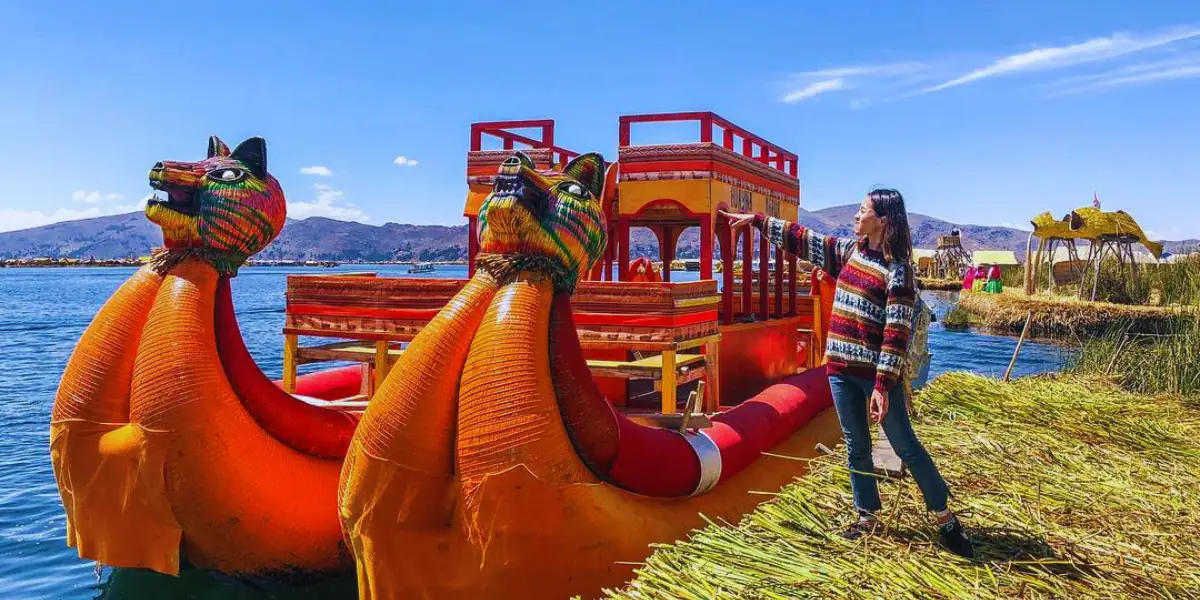
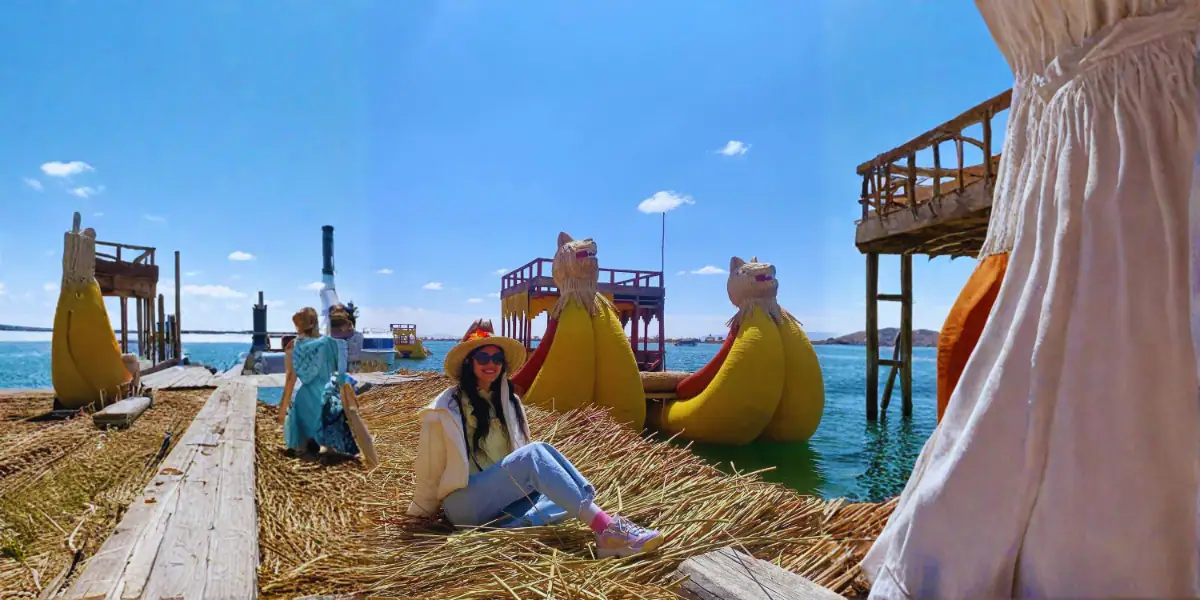
The Uros Floating Islands are the most accessible tour: the boat ride is relaxing and involves no significant physical effort. It is the perfect excursion for day three. The visit lasts between 3 and 4 hours from Puno port. - Day 4 onwards — Full-day tours
Amantaní Island with overnight stay or the full Lake Titicaca tour. By this point most travelers are fully acclimatized and can enjoy the complete experience without symptoms.
🚌 Tours in Puno and Altitude: When to Do Each One
Not all Puno tours are equal in terms of physical demand at altitude. This table helps you organize your itinerary according to your acclimatization level:
| Tour | Altitude | Physical effort | Recommended day |
|---|---|---|---|
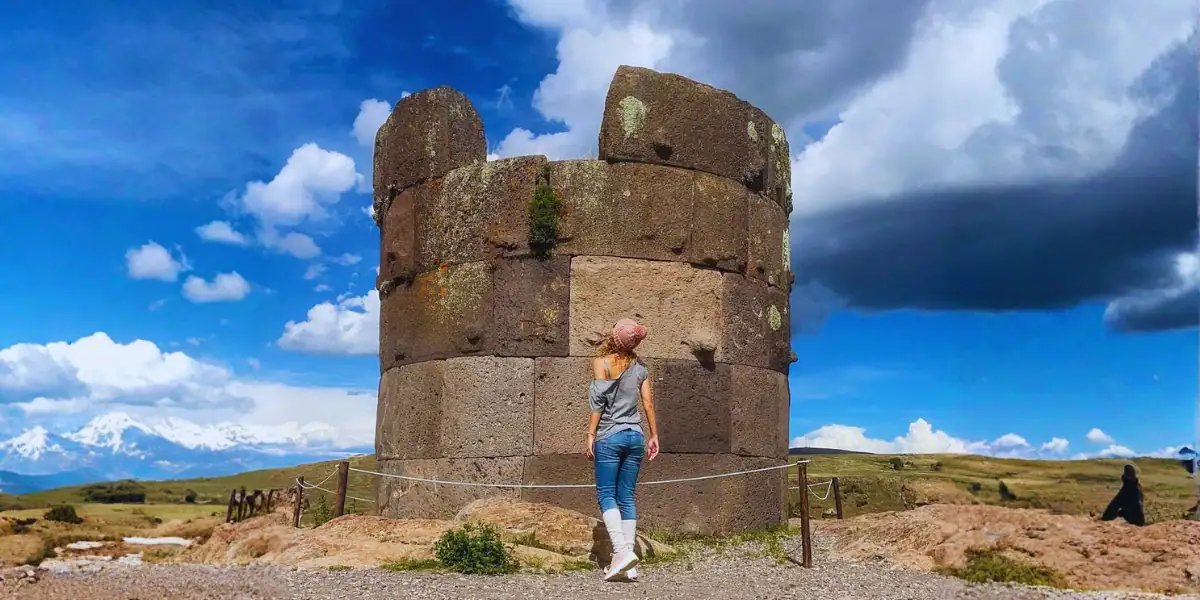
| Chullpas of Sillustani | 3,850 m.a.s.l. | 🟢 Low — gentle walk on flat terrain | Day 2 (if you arrived well the day before) |
| Uros Floating Islands | 3,810 m.a.s.l. (water) | 🟢 Very low — boat ride | Day 2–3 |
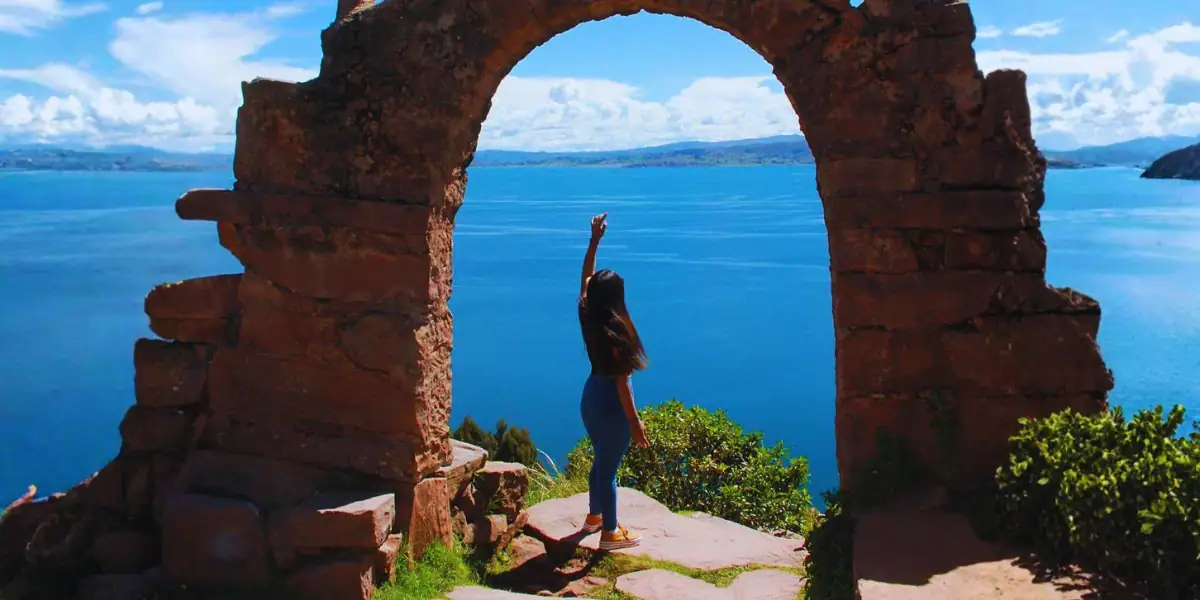
| Amantaní Island (overnight) | 3,900 m.a.s.l. (summit) | 🟡 Medium — optional hike to summit | Day 3–4 (summit optional) |
| Taquile Island | 3,950 m.a.s.l. | 🟡 Medium — long stairs to the village | Day 3–4 |
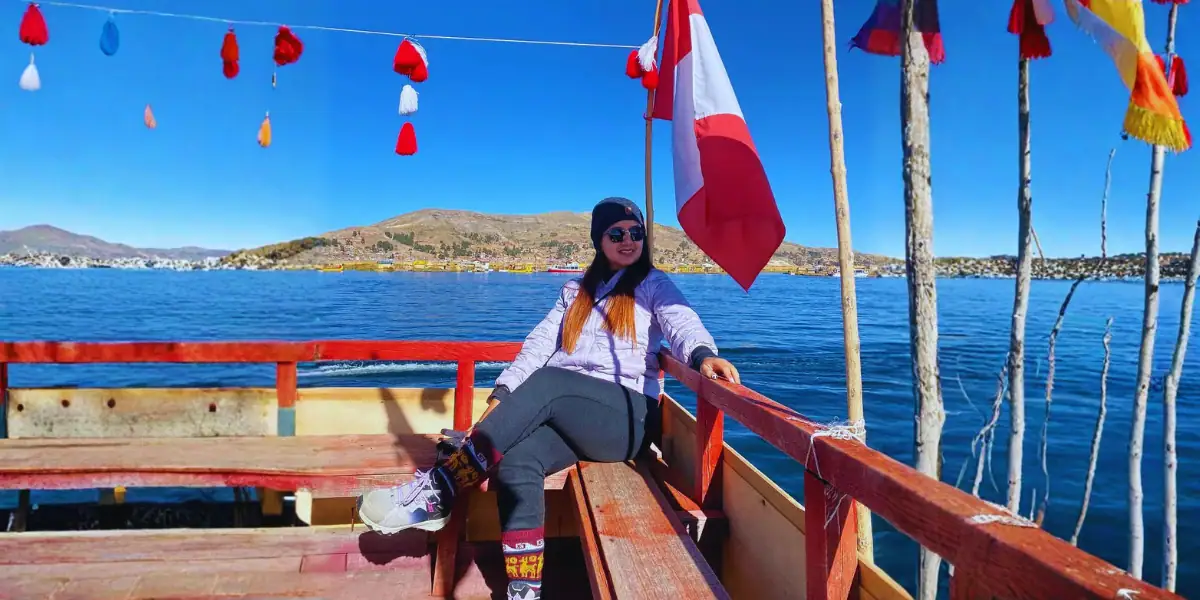
| Full Lake Titicaca tour | 3,810 m.a.s.l. | 🟢 Low by boat | Day 2 onwards |
⚖️ Acetazolamide vs Coca Tea: Which to Choose for Puno
| Feature | 💊 Acetazolamide (Diamox) | 🌿 Coca Tea |
|---|---|---|
| Clinical efficacy | High — reduces AMS incidence by 50–75% | Moderate — relieves mild symptoms |
| When to start | 24–48h before ascending to altitude | From the moment of arrival |
| Side effects | Tingling in hands/feet, frequent urination, metallic taste | No significant side effects |
| Contraindications | Sulfonamide allergy, pregnancy, kidney/liver problems | No known contraindications |
| Prescription needed | Sold without prescription in Peru, but medical consultation required | No |
| Price in Puno | S/ 25–45 per box (10–20 tablets) | S/ 2–5 per cup at any hotel |
| Best for | Travelers prone to AMS or with history of severe soroche | All travelers as a complementary measure |
The honest answer: you don’t have to choose one. Coca tea and acetazolamide are complementary, not mutually exclusive. Most travel medicine doctors recommend acetazolamide if you have a history of severe soroche or if your itinerary ascends quickly. Coca tea is the immediate cultural companion from the very first moment. And rest, as always, does the most important work of all.
🎒 What to Pack to Handle Altitude in Puno
Beyond medications, there is a list of items that make the difference between a comfortable trip and two days of misery in the hotel:
- Acetazolamide (Diamox) — if your doctor approved it, start 24h before arriving in Puno
- Ibuprofen 400mg — for altitude headaches (not aspirin, which can increase bleeding risk)
- Reusable water bottle — minimum 2-litre capacity, stay constantly hydrated
- Extra warm clothing — Puno drops below 0°C on nights from May to August; cold worsens discomfort
- Light snacks — cereal bars, dried fruit, crackers — for the first hours before eating a full meal
- Motion sickness tablets (optional) — if you are prone to seasickness on the boat tour to the Uros Islands
- Sunscreen SPF 50+ — at 3,827 m.a.s.l. UV radiation is very high even on cloudy days
- UV-filter sunglasses — the reflection off Lake Titicaca multiplies sun exposure
❓ Frequently Asked Questions — Altitude Sickness in Puno 2026
Altitude sickness in Puno is manageable — with the right plan, it stops being an obstacle and simply becomes the first day of respect you owe the altiplano. Travelers who arrive well informed, rest in the first hours and stay properly hydrated are doing full tours from day two with no issues. Turismo Liberty has spent years coordinating itineraries on the altiplano and can help you design the correct activity order so that soroche does not cost you a single day of your trip. Message us today and secure your place on the Chullpas of Sillustani or the Lake Titicaca tours.
Ready for Lake Titicaca? Plan your Puno itinerary with Turismo Liberty
Sillustani · Uros Floating Islands · Amantaní Island · Itinerary adapted to your acclimatization