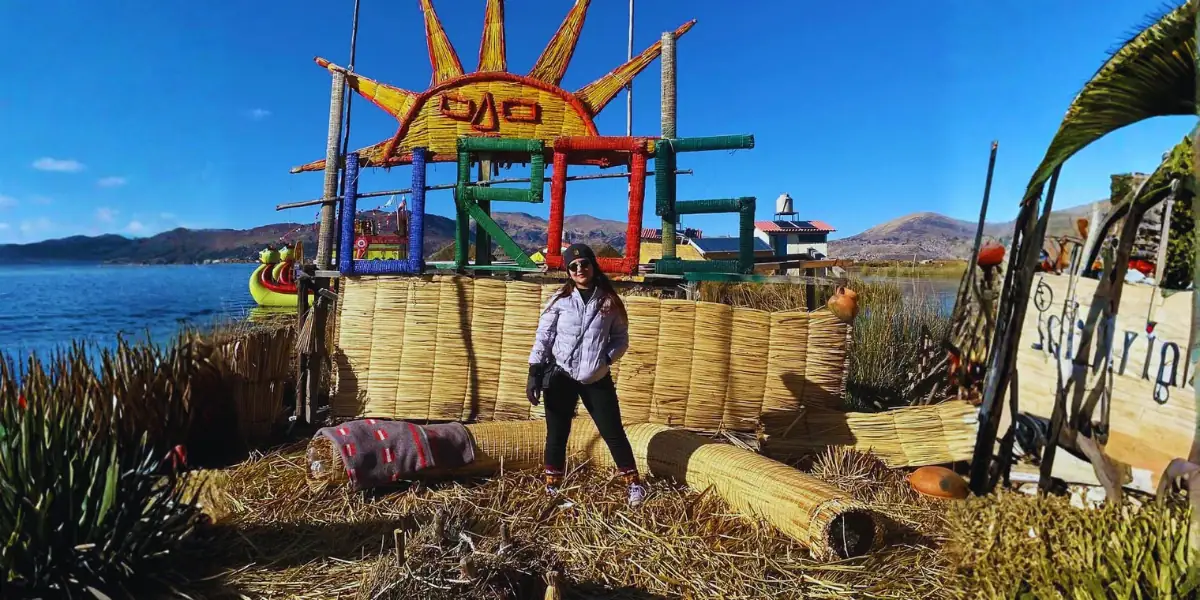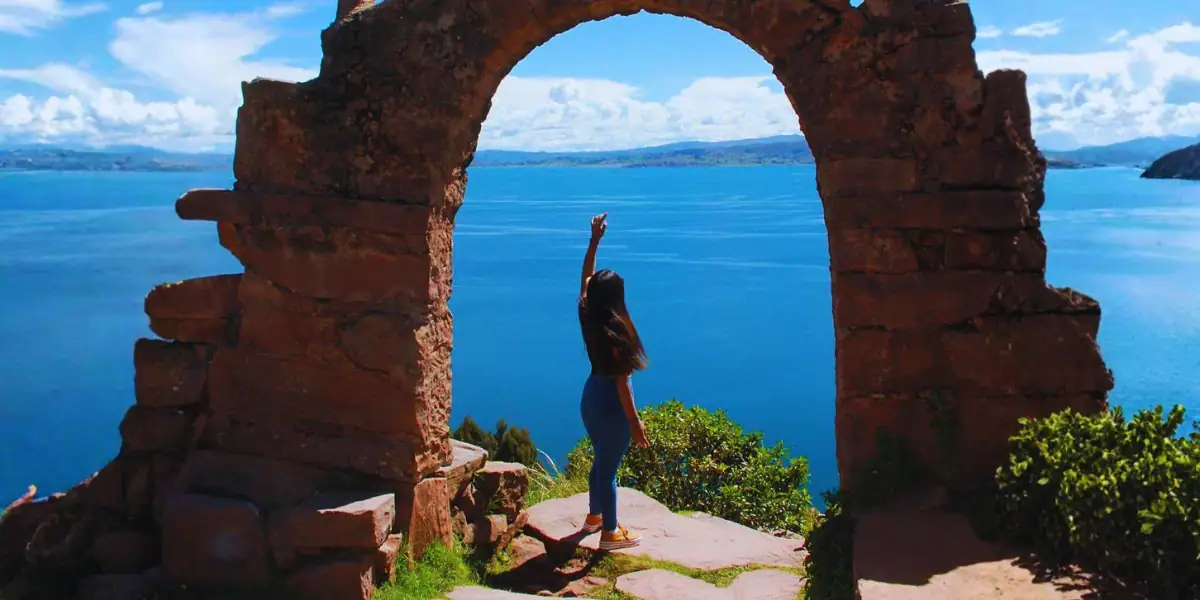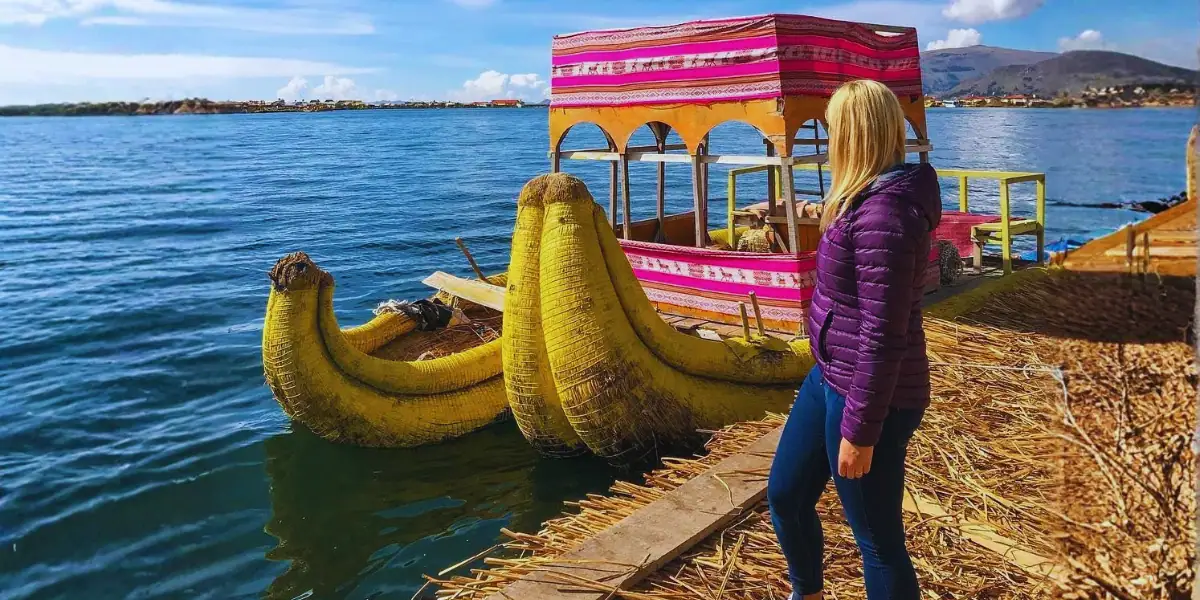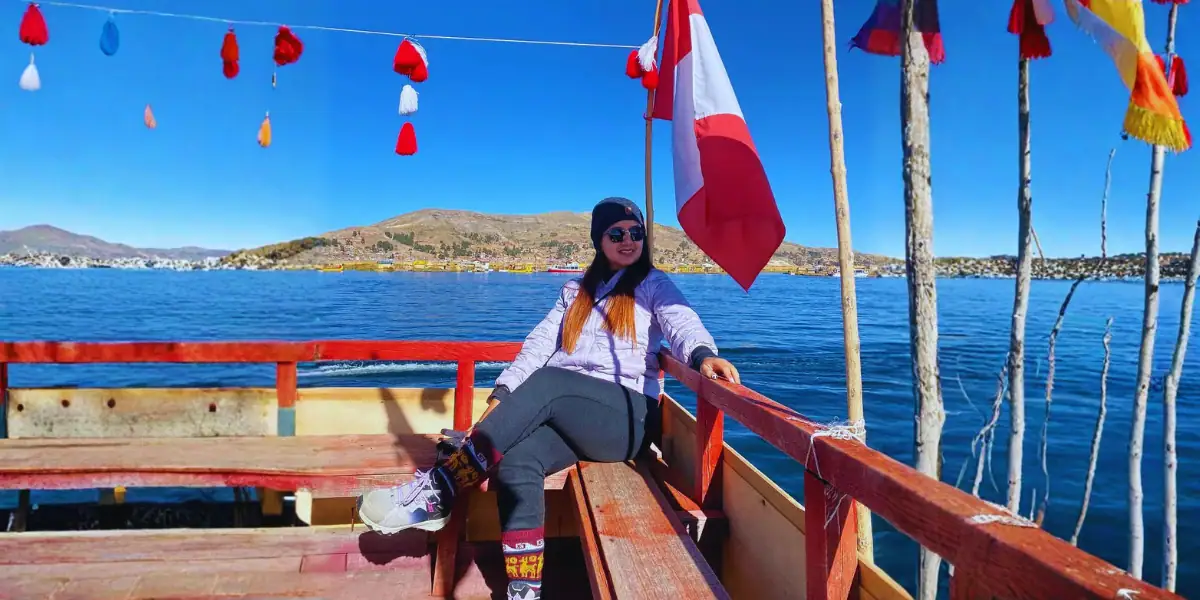
Puno at 3,827m (12,556 ft) surprises nearly every traveler with the same paradox: bitter cold at night and a sun that burns in minutes during the day — simultaneously, year-round. Packing right for Puno is not optional: it’s the difference between genuinely enjoying the Full Day Uros & Taquile Tour by Turismo Liberty — which departs at 7 AM with the lake wind hitting you full on — and suffering through it. The tour starts at $55 per person and includes a bilingual guide, boat, and a traditional lunch on Taquile Island. If you already have dates, message us on WhatsApp +51 959 175 901 and we’ll confirm in under 5 minutes.
This Puno packing list for 2026 is written specifically for the Peruvian Altiplano — not a generic Peru guide, not a copy-paste from a Lima blog. It covers what you actually need by season, what to bring for Lake Titicaca tours, which altitude sickness remedies work, and what most travelers wish they had packed.
🎒 The Puno tour and what to have ready from day one
Before diving into the packing list, there’s one key piece of information that shapes everything: Lake Titicaca tours depart at 7 AM. That means your first day in Puno can already be a full tour day — as long as you arrived the night before and rested to start acclimatizing. Whatever you’re wearing that morning needs to be ready from the hotel.
| Detail | Information |
|---|---|
| Main tour | Full Day Uros Islands & Taquile — Lake Titicaca |
| Price | $55 per person (traditional lunch on Taquile included) |
| Duration | Full day — departs 7:00 AM, returns ~5:30 PM |
| Departure point | Hotel pickup in Puno’s historic center |
| What’s included | Certified bilingual guide, boat, island entrance fees, traditional lunch |
| What’s NOT included | Lake entrance fee S/10 (cash at the port), drinks, tips |
| Difficulty level | Easy — 500 stone steps on Taquile (relaxed pace) |
🧥 Thermal layers: the most important part of your Puno packing list
Layering is the single most important clothing strategy for Puno. The Altiplano has a characteristic that confuses many visitors: genuine cold in the mornings and evenings, and intense sun at midday. On Lake Titicaca tours, departing at 7 AM with wind off the water, the wind chill can feel like -3°C (27°F) even if the thermometer reads 8°C (46°F). Layers you can put on and take off as the day progresses are non-negotiable.
Essential clothing checklist for Puno 2026
- Long-sleeve thermal base layer — Merino wool or quick-dry synthetic. This is your most important piece: it regulates body temperature both in the cold and when the sun heats up. Pack at least 2 for tour days.
- Fleece or wool mid-layer — A medium-weight fleece or an alpaca wool sweater (available at Puno markets from about $10–20 and completely authentic). This layer retains heat on the lake and during cold nights.
- Lightweight waterproof windbreaker — Essential on the lake. The wind on the boat and on the islands is constant and cold. A light jacket that packs into a daypack is perfect — you don’t need a technical mountaineering coat.
- Long pants (not jeans) — Denim takes forever to dry if it gets wet on the islands and doesn’t insulate well. Lightweight trekking pants or wool trousers are ideal. Pack at least one extra pair.
- Wool beanie covering the ears — Your head loses heat fast at 3,827m. An ear-covering hat is basic kit for the morning boat ride. If you don’t bring one from home, Puno’s markets sell them from about $4.
- Lightweight gloves — Especially important for tours in the dry season (May–October). On the boat in the morning, gloves make a real difference.
- Scarf or neck gaiter — Protects your neck from the lake wind and doubles as extra sun protection on the return trip at midday.
- Warm sleepwear — If you’re overnighting on Amantaní (included in Turismo Liberty’s 3-day package), host family homes have no heating. Island nights can drop to -2°C or colder in winter. Bring warm pajamas.
👟 Footwear for Lake Titicaca tours and the city of Puno
You don’t need technical mountain boots for Lake Titicaca tours. Most excursions don’t involve high-altitude terrain. What matters is comfortable, closed-toe shoes with a good grip and a non-slip sole. Here’s the breakdown:
- Sturdy sneakers or trail runners with grip soles — Sufficient for the Uros & Taquile tour (including Taquile’s 500 stone steps), the Puno city tour, and Sillustani. They need to be comfortable for 3–4 hours of walking.
- A pair of city shoes or casual sneakers — For rest days and evenings in Puno. Keeping tour footwear separate from city footwear saves wear and discomfort.
- Thermal or merino wool socks (2–3 pairs) — Cold feet are the first thing you notice on the lake. Merino wool socks regulate temperature even when slightly damp. They’re consistently rated as one of the most valued items in a Puno packing list.
- Light sandals (optional) — Hotel use only. On the islands and in the city they’re not suitable: island ground is damp and open shoes leave your feet exposed to the lake wind.
☀️ Sun protection and extreme UV on the Altiplano
This is the item most frequently forgotten in Puno packing lists — and the one most regretted. At 3,827m, the atmosphere filters far less ultraviolet radiation than at sea level. The UV index in Puno can exceed 10 on clear days (WHO “very high” level), meaning unprotected skin can burn in under 15 minutes of direct exposure. The lake’s reflective surface amplifies that effect throughout tours.
- SPF 50+ sunscreen (travel-size, 100ml) — Non-negotiable. Reapply every 2 hours during tours, especially on the lake. Sunscreen is significantly more expensive at tourist destinations in Puno than in Lima or Arequipa — buy it before you go.
- UV 400-rated sunglasses — Not fashion accessories: actual UV-blocking lenses. Sun reflected off Titicaca’s waters is intense throughout the morning of the tour.
- Wide-brim hat or cap with visor — Protects the face and neck. Your wool beanie keeps you warm, but doesn’t shield from the sun. Bring both: one for the cold morning, one for the midday sun.
- SPF lip balm — The dry Altiplano air chaps lips quickly. SPF lip balm prevents the soreness many travelers feel by day three in Puno.
- Facial moisturizer — The dry, cold climate dries out skin fast. A light morning moisturizer under your sunscreen makes a noticeable difference.
💊 Altitude sickness pills and remedies for Puno
Altitude sickness (soroche) affects many travelers in Puno regardless of physical fitness. It’s not a sign of weakness: it’s a normal physiological response to lower oxygen concentration at 3,827m. The most common symptoms are headaches, fatigue, reduced appetite, and mild dizziness. With the right preparation, the vast majority of visitors manage these symptoms without major issues.
- Sorojchi Pills — The most popular and accessible over-the-counter option in Peru for soroche. Available without a prescription at pharmacies in Arequipa, Cusco, or Puno from about $1–2 per blister pack. Contains acetaminophen, caffeine, and coca leaf extract. Take 1–2 tablets on arrival in Puno and repeat as needed.
- Ibuprofen or acetaminophen — For the headache that often appears in the first few hours. Ibuprofen works well for altitude-related headaches.
- Coca leaf tea or coca leaves — The traditional Andean remedy. Every hotel in Puno offers it for free on arrival. Chewing coca leaves or drinking the tea relaxes blood vessels and helps acclimatization. It has no psychoactive effects in this form of consumption.
- 1.5-liter water bottle — Hydration is the most effective and most ignored remedy. At altitude, the body loses water faster. Drink at least 2 liters per day in Puno, especially on the first day.
- Diamox (acetazolamide) — A prescription medication taken 24–48 hours before arriving at altitude. Highly effective for travelers with a history of severe altitude sickness. Consult a doctor before your trip.
🎒 Day pack for Lake Titicaca tours
For Turismo Liberty’s Lake Titicaca tours, what you need on tour day is not your entire luggage — it’s a small pack with the essentials. Here’s what Turismo Liberty’s guides recommend bringing:
- 15–20 liter daypack — Enough for a full-day tour. Large backpacks are awkward on the boat and on narrow island paths. A lightweight daypack is ideal.
- Water bottle or insulated thermos — Water isn’t always available on the boat or islands. A thermos with hot water or herbal tea is especially useful on cold lake mornings.
- Energy snacks — Lunch on Taquile is at 1:00 PM. Bring dried fruit, nuts, or energy bars for the navigation hours. Altitude suppresses appetite, but your body still needs fuel.
- Small headlamp or flashlight — Useful if your tour includes an overnight on Amantaní: the islands have very limited nighttime lighting.
- Small waterproof bag or dry sack — To protect your phone and camera on the boat. Lake wind can carry light spray.
- Water purification tablets or filter bottle — For islands where potable water may be limited.
- Portable charger (power bank) — Islands have no outlets available for tourists. A 10,000 mAh bank keeps your phone charged for photos all day.
💳 Documents and cash: what you can’t leave without
Puno city has ATMs on the Plaza de Armas, but the Lake Titicaca islands have none. Everything on the islands runs on cash in soles. Here’s what to organize before heading out to the tour:
- Original passport — Required for tourist sites in Peru. Copies are generally not accepted at most entrances. Carry the original and leave a photocopy in your luggage.
- S/10 cash for the lake entrance fee — Paid at the port before boarding the boat. Card payment is not possible.
- S/30–50 cash for island shopping — Handicrafts, textiles, and local products on Taquile and Amantaní are cash-only. Many travelers regret not having withdrawn more before the tour.
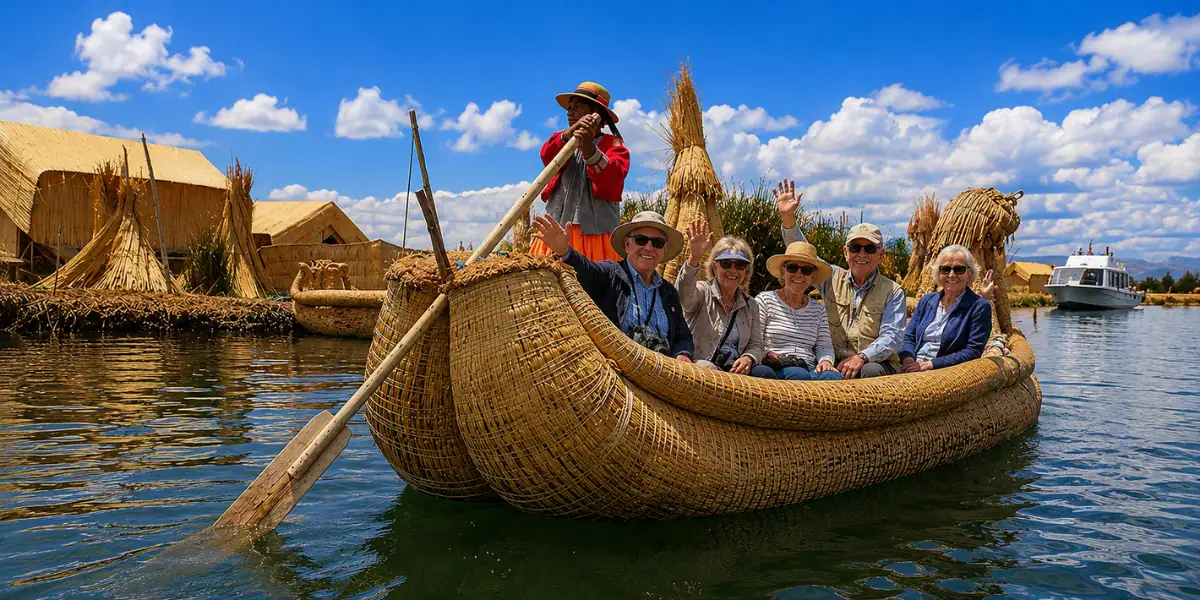
- S/15–20 extra for a totora reed boat ride — Optional but highly recommended: the Uros offer rides on their handmade reed boats at a price paid directly to the families.
- Debit/credit card (Visa/Mastercard) — Works in Puno city ATMs but not on the islands or at many small market restaurants. Withdrawing cash before the tour is essential.
- Travel insurance — Not mandatory, but strongly recommended for altitude travel. At 3,827m, severe altitude sickness cases can require medical evacuation or hyperbaric treatment.
📅 What to pack for Puno by season in 2026
The ideal Puno packing list changes significantly by season. Here’s the practical guide by month:
| Season | Months | Temperature (day/night) | Extra items to pack |
|---|---|---|---|
| 🌞 Dry | May – Oct | 59°F / 18–28°F | Extra thermal layers · thick gloves · polar beanie · wool socks · sleeping bag if overnighting on islands |
| 🌧️ Rainy | Nov – Mar | 63°F / 39°F | Full waterproof jacket · waterproof shoes or boots · compact rain poncho · dry bag for electronics |
| 🎭 Candelaria Festival | February 2027 | 61°F / 37°F | Comfortable clothes for dancing and crowds · sunscreen · extra camera battery |
| 🍂 Transition | Apr, Nov | 61°F / 36°F | Full standard list · light poncho just in case · versatile layers |
For June and July — the coldest and most in-demand months — Turismo Liberty recommends an extra thermal layer specifically for overnight stays on the islands in the 3-day 2-night Puno package. Host family homes on Amantaní have no heating and nights can fall to -5°C (23°F).
⚖️ Packing comparison: dry season vs rainy season
| Item | 🌞 Dry season (May–Oct) | 🌧️ Rainy season (Nov–Mar) |
|---|---|---|
| Thermal base layer | ✅ Essential | ✅ Essential |
| Waterproof jacket | ✅ Light windbreaker | ✅ Full waterproof |
| Beanie and gloves | ✅ Required (intense cold) | ⚠️ Useful for mornings |
| Rain poncho | ⚠️ Optional (rare rain) | ✅ Essential |
| Waterproof boots | ❌ Not needed | ✅ Highly recommended on islands |
| SPF 50+ sunscreen | ✅ Peak UV (May–August) | ✅ UV still high even in rain |
| UV-rated sunglasses | ✅ Required | ✅ Required |
| Sleeping bag (islands) | ✅ Highly recommended | ⚠️ Optional (milder temps) |
The dry season in Puno offers clearer skies and better lake navigation conditions, but also the coldest temperatures of the year. The rainy season brings milder temperatures but demands waterproofs and a rain poncho. You can read more about when to visit in our Puno climate and seasons guide 2026.
📋 Complete Puno packing list 2026 — summary
Here’s the full checklist from Turismo Liberty’s guides, based on years of experience with travelers from around the world:
🧥 Clothing
- 2 long-sleeve thermal base layers (merino wool or synthetic)
- 1–2 fleeces or wool mid-layers
- 1 lightweight waterproof windbreaker (packable)
- 2–3 pairs of long pants (no jeans)
- Wool beanie covering the ears
- Lightweight or fleece gloves
- Scarf or neck gaiter
- Warm sleepwear (if overnighting on islands)
- 3–4 pairs of thermal or merino wool socks
👟 Footwear
- Sturdy sneakers or trail runners with non-slip soles
- City shoes or casual sneakers
- Light sandals for the hotel (optional)
☀️ Sun protection
- SPF 50+ sunscreen (bring from home — more expensive at the destination)
- UV 400-rated sunglasses
- Wide-brim hat or cap with visor
- SPF lip balm
- Facial moisturizer
💊 Health & altitude
- Sorojchi Pills (or buy on arrival in Arequipa/Cusco/Puno)
- Ibuprofen or acetaminophen for headaches
- 1.5-liter water bottle (minimum)
- Personal medications
💳 Documents & money
- Original passport (required)
- S/100–150 in cash for the islands (no ATMs)
- Debit/credit card for Puno city ATMs
- Travel insurance (recommended)
🎒 Day pack
- 15–20 liter comfortable daypack
- Thermos with water or hot drink
- Energy snacks (nuts, dried fruit, bars)
- Small waterproof bag for your phone
- Portable charger (power bank)
- Small headlamp (for island overnight)
🔌 Electronics
- Type A/B plug adapter (Peru uses 220V)
- Phone and camera chargers
- Camera with spare battery (cold drains batteries faster)
❓ Frequently asked questions: what to pack for Puno 2026
Puno requires layering. Essentials include a long-sleeve thermal base layer (merino wool or synthetic), a mid-layer fleece or wool sweater, a lightweight waterproof windbreaker, long pants (not jeans), a beanie covering your ears, gloves, and a scarf. Nights in the dry season (June–August) drop to 0°C (32°F) or below. On the lake, wind chill makes it feel even colder. Always pack more layers than you think you’ll need — in Puno, no layer goes unused.
Sorojchi Pills are the most recommended over-the-counter option — available at pharmacies in Arequipa, Cusco, or Puno for about $1–2 per blister pack. They contain acetaminophen, caffeine, and coca leaf extract. Diamox (acetazolamide) requires a prescription and should be started 24–48 hours before arrival. Coca tea, offered free at every hotel, is the most accessible remedy. Avoiding alcohol for the first 24 hours in Puno matters just as much as any pill. Turismo Liberty’s guides give acclimatization instructions at the start of every tour.
For Lake Titicaca tours (Uros, Taquile, Amantaní), closed-toe, comfortable shoes with a non-slip sole are ideal. Technical hiking boots are not necessary — sturdy sneakers or trail runners are enough. Taquile has 500 stone steps walked at a relaxed pace. Avoid sandals or open shoes: island ground is damp and the lake wind chills your feet quickly. Merino wool socks make a real difference.
Yes — SPF 50+ sunscreen is mandatory in Puno despite the cold. At 3,827m, the UV index can exceed 10 even on cloudy days. Sunburn in under 30 minutes is entirely possible — and on the lake, water reflection amplifies UV exposure. Buying sunscreen in Puno or at tourist destinations is significantly more expensive than bringing it from home. UV 400-rated sunglasses are equally important.
Budget S/150–S/300 (roughly $40–$80 USD) in cash for your stay. Local markets, island vendors, and many small restaurants accept cash only. The lake entrance fee is S/10 (cash at the port). Taquile and Amantaní artisans have no card readers. ATMs are available on Puno’s Plaza de Armas — but none exist on any island. Withdrawing cash before the tour is essential.
It’s not recommended. Puno is at 3,827m and tours depart at 7 AM. If arriving from Lima or sea level, spending at least one night in Puno before the tour is strongly advised. Coming from Cusco (3,400m) reduces the adjustment, but a rest day still helps. Check out our complete 3-day Puno itinerary by Turismo Liberty to plan the perfect acclimatization before your tours.
Puno is the most physically demanding stop on the southern Peru circuit — not because of technical difficulty, but because of the altitude of Lake Titicaca, the Altiplano cold, and a sun that burns without warning. With the right packing list, those same conditions that sound intimidating on paper become part of the experience: the cold wind on the boat as Titicaca opens before you, the sun on Taquile’s handwoven textiles, the hot coca tea on Amantaní. Turismo Liberty runs the Full Day Uros & Taquile Tour from $55, with hotel pickup from Puno’s historic center and a traditional lunch included.
Ready for the Lake Titicaca tour?
The Full Day Uros & Taquile Tour by Turismo Liberty starts at $55 per person and includes a certified bilingual guide, boat, island entrance fees, and traditional lunch on Taquile. Daily departures at 7:00 AM. Hotel pickup in Puno’s historic center. No intermediaries.