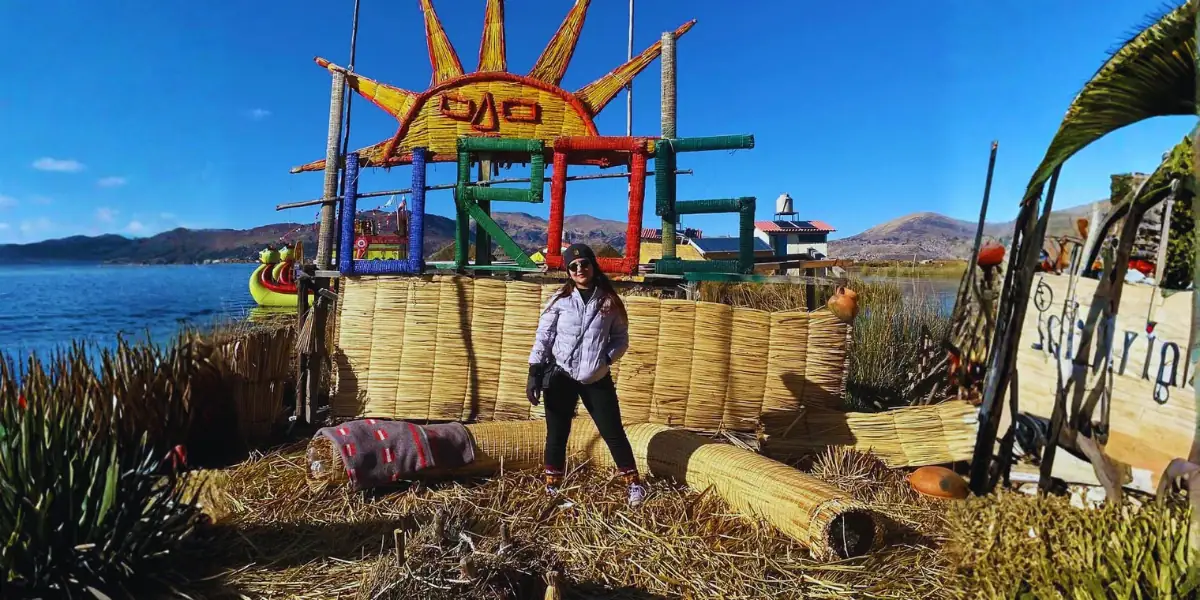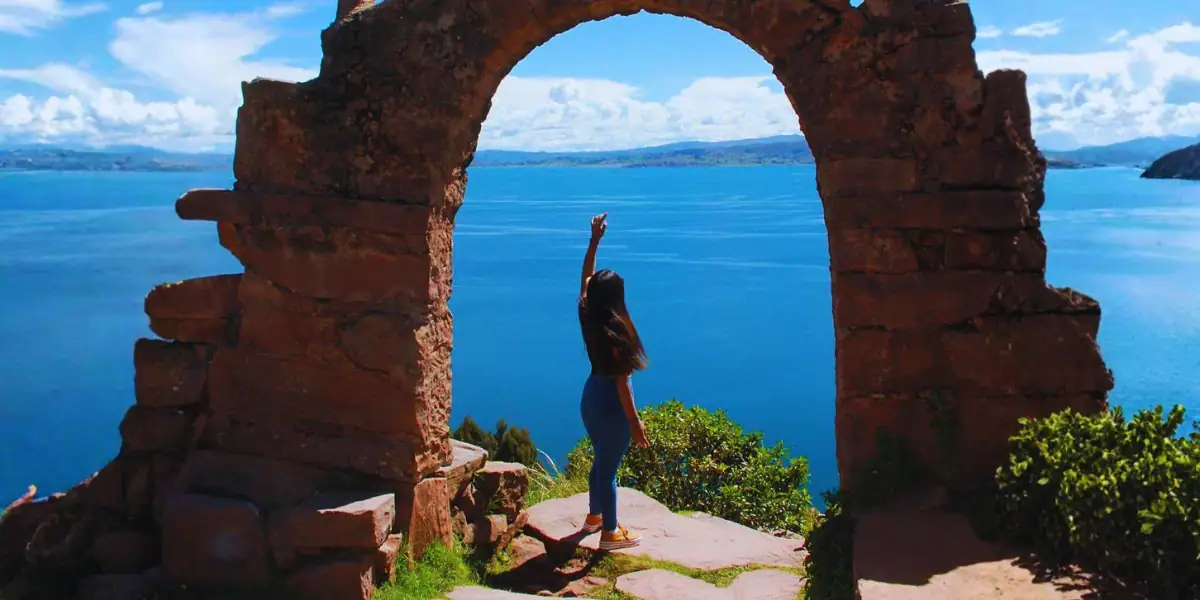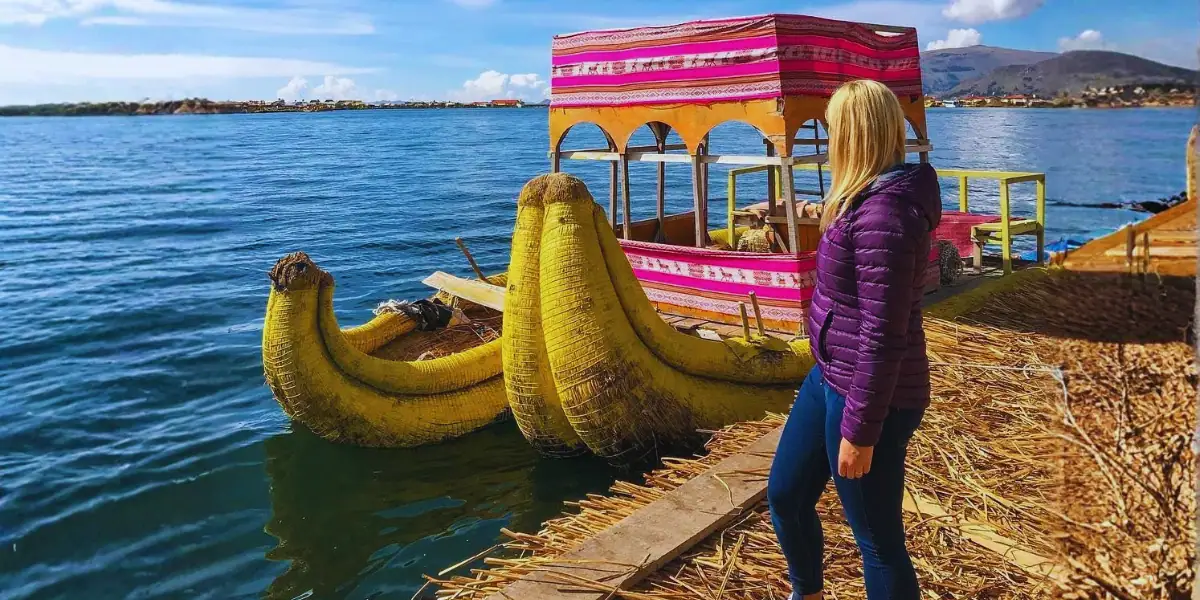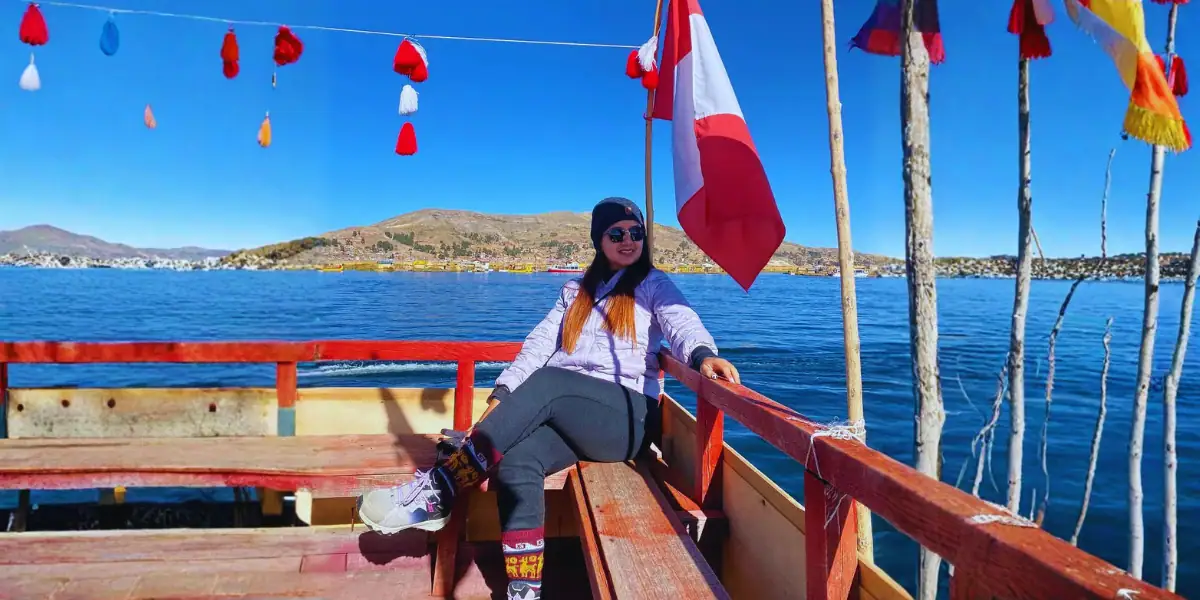
The question we hear most before any trip to Puno is always the same: when is the best time to go? The short answer is May to October — the dry season, with clear skies over Lake Titicaca and perfect conditions for sailing to the Uros Floating Islands, Amantaní, and Taquile. But the long answer is more interesting: every month of the year has something unique to offer in Puno, and understanding the weather month by month lets you get the most out of your visit. The Puno 3-Day 2-Night Package with Turismo Liberty — Uros, Amantaní and Taquile — starts from $55 USD per person and runs year-round.
In this guide you’ll find Puno’s weather month by month, the real difference between dry season and rainy season, when to go if you want the Candelaria Festival, what temperatures to expect in July and August, and a complete packing list for each season. Everything you need to know before booking.
⚡ Quick summary: when to visit Puno based on your goal
| If you want… | Best month | Why |
|---|---|---|
| Clear skies and good weather | May – October | Dry season, zero rainfall |
| Candelaria Festival | February | Peru’s biggest cultural event |
| Fewer crowds and lower prices | November – December | Shoulder season, low footfall |
| Warmer nights | November – March | Milder overnight temperatures |
| Lake Titicaca at its highest level | March – April | After rains, the lake is full |
| Photography with intense blue skies | June – August | Altiplano light at its best |
☀️ Dry season in Puno (May–October): the best time for Lake Titicaca
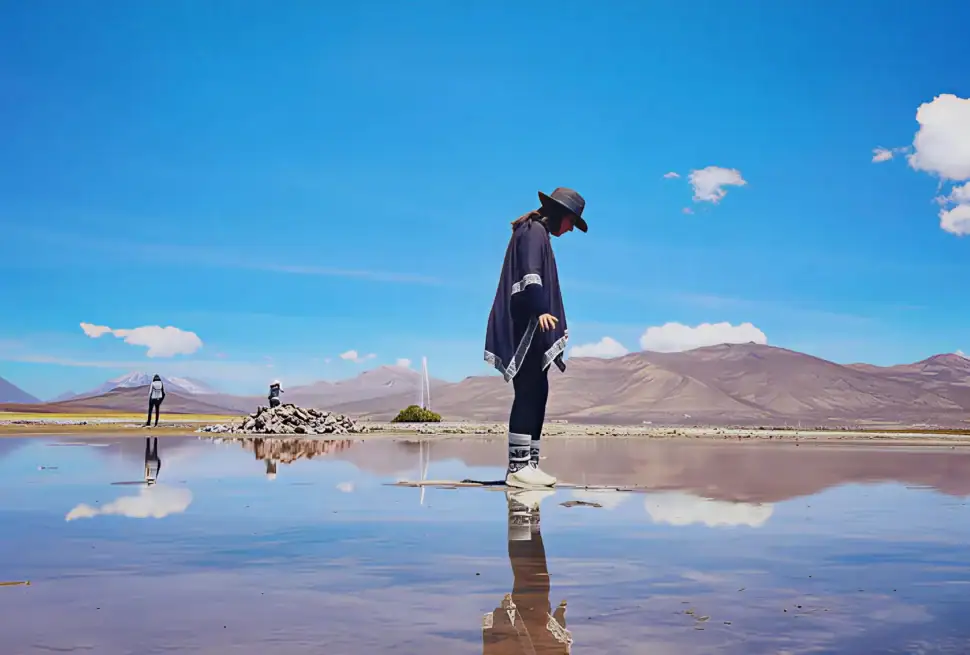
From May to October, Puno is in its dry season. Rainfall virtually disappears, the sky over the altiplano takes on that intense blue characteristic of the Peruvian puna, and conditions for sailing on Lake Titicaca are the most favourable of the year. The sun’s rays on the lake surface at 3,827 metres above sea level create unique reflections that photographers chase all year long.
The downside of the dry season is the cold at night. In July and August, temperatures in Puno can drop to between -5 °C and -8 °C (23–18 °F) overnight. During the day, however, the sun is intense and temperatures climb to 12–18 °C (54–64 °F). The temperature swing between midday and the early hours can exceed 20 degrees, so a layering system is essential.
July and August are also the months of highest tourist traffic in Puno, coinciding with European and North American summer holidays. Hotels fill up quickly and prices rise. If you’re travelling at these times, Turismo Liberty recommends booking the Puno 3-day package at least 5 days in advance.
🌧️ Rainy season in Puno (November–April): warmer than you’d expect
Puno’s rainy season runs from November to April, peaking between January and March. Rainfall on the altiplano is quite particular: unlike the Amazon jungle, in Puno it rains mainly in the afternoons and evenings, while mornings are usually clear. This means that Lake Titicaca excursions — which depart in the morning — are much less affected than many travellers imagine.
The advantages of travelling in the rainy season are real. Nights are significantly warmer (5–10 °C / 41–50 °F vs. -5 °C in July), there is far less tourism outside February, accommodation prices drop, and Lake Titicaca reaches its highest level, making the views from the islands particularly stunning. The altiplano vegetation turns green and the contrast with overcast skies creates photos of a completely different kind from those of dry season.
🎭 Candelaria Festival Puno 2026: when, what to expect, and how to prepare
If there is one reason to visit Puno in the middle of rainy season, it is the Virgen de la Candelaria Festival. Declared UNESCO Intangible Cultural Heritage of Humanity in 2014, Candelaria 2026 runs from February 1 to 18, with the central date on February 2.
The most spectacular days are the dance competitions at the Estadio Enrique Torres Belón in Puno, where more than 200 groups — some with hundreds of dancers — compete in categories of elaborately costumed and traditional dances. It is, without exaggeration, one of the most impressive cultural spectacles in all of South America.
What you need to know if you’re going to Candelaria: Puno hotels book up months in advance and prices skyrocket. If you’re planning to attend in 2026, contact Turismo Liberty as soon as possible so we can help coordinate accommodation and the Lake Titicaca package during those dates.
📅 Puno weather month by month: complete 2026 table
This table covers average Puno weather month by month, with maximum and minimum temperatures, precipitation, and an overall tourism rating. All data is based on the climatic history of the Puno altiplano at 3,827 m above sea level.
| Month | Max temp. | Min temp. | Rainfall | For tourism |
|---|---|---|---|---|
| January | 16 °C / 61 °F | 7 °C / 45 °F | Frequent | ⚠️ Fair |
| February | 15 °C / 59 °F | 7 °C / 45 °F | Very frequent | ⚠️ Candelaria |
| March | 16 °C / 61 °F | 6 °C / 43 °F | Frequent | ⚠️ Fair |
| April | 17 °C / 63 °F | 4 °C / 39 °F | Sparse | ✅ Good |
| May | 17 °C / 63 °F | 1 °C / 34 °F | Minimal | ✅ Very good |
| June | 16 °C / 61 °F | -2 °C / 28 °F | None | ✅ Excellent |
| July | 15 °C / 59 °F | -4 °C / 25 °F | None | ✅ Excellent |
| August | 16 °C / 61 °F | -3 °C / 27 °F | None | ✅ Excellent |
| September | 17 °C / 63 °F | 0 °C / 32 °F | Minimal | ✅ Very good |
| October | 18 °C / 64 °F | 3 °C / 37 °F | Sparse | ✅ Good |
| November | 18 °C / 64 °F | 5 °C / 41 °F | Occasional | ✅ Good |
| December | 17 °C / 63 °F | 6 °C / 43 °F | Frequent | ⚠️ Fair |
🌡️ Temperatures in Puno: what nobody tells you before you go
Temperature in Puno has one characteristic that surprises many travellers: the difference between day and night can exceed 20 degrees within a single day. At 3,827 metres above sea level, the atmosphere is thinner and the earth loses heat very quickly once the sun sets. The result is that you can be walking in a T-shirt at midday under intense sunshine, and need a winter coat by 8 pm.
In June and July, the coldest months of the year, nights in Puno can fall as low as -8 °C (18 °F), especially in rural communities such as those on Amantaní Island. During the overnight stay on the island — one of the most authentic experiences in Turismo Liberty’s 3-day package — local families usually provide extra blankets, but bringing your own thermal layers is essential.
Solar radiation in Puno is extreme throughout the year. The altitude means UV rays hit with far greater intensity than at sea level. Even on the coldest days of July and August, the midday sun can burn skin within minutes. SPF 50+ sunscreen and UV-filter sunglasses are essential in every season.
🚢 The Puno tour: Uros + Amantaní + Taquile — what’s included and when it departs
Whatever time of year you choose to visit Puno, the Turismo Liberty Puno 3-Day 2-Night Package operates year-round with daily departures from Puno port. Here’s everything you need to know:
| ✅ Included | ❌ Not included |
|---|---|
| Water transport by tourist boat | Tip for the guide (optional) |
| Certified bilingual guide Spanish–English | Drinks during the tour |
| Visit to the Uros Floating Islands | Personal travel insurance |
| Overnight with local family on Amantaní Island | Handicrafts (free purchase) |
| Lunch on Taquile Island (day 3) | |
| Return to Puno across Lake Titicaca |
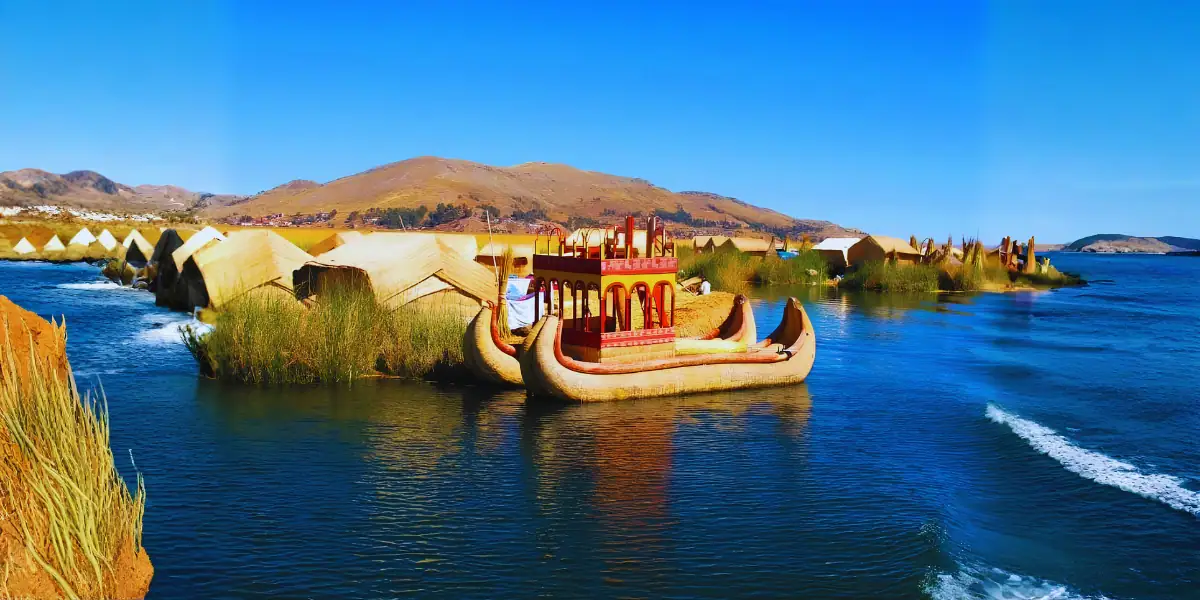
The package price starts from $55 USD per person. The tour begins at Puno’s dock with a visit to the Uros Floating Islands, the only artificial islands in the world built on totora reeds, the aquatic plant of Lake Titicaca. Day two includes an overnight stay with a family in the Amantaní community — one of the most authentic experiences in southern Peru — and day three concludes on Taquile Island, famous for its UNESCO-recognised weavings and its restaurant with panoramic lake views.
🎒 What to pack for Puno by season
The ideal gear for Puno varies considerably depending on the time of year. Here is the essential list for each season:
Dry season (May–October) — priority: nighttime warmth
- Thermal base layers (top and bottom) — essential
- Fleece or alpaca wool — more effective than cotton at high altitude
- Windbreaker or light waterproof jacket
- Hat, gloves and scarf — nights on Amantaní can drop to -5 °C / 23 °F
- SPF 50+ sunscreen — UV radiation at 3,800 m is extreme even in winter
- Sunglasses with UV400 filter
- Trekking shoes or comfortable footwear with thick soles
- Extra warm clothing for the overnight island stay
Rainy season (November–April) — priority: waterproofing
- Compact rain jacket or poncho
- Waterproof footwear or non-slip soles
- Medium-weight layers — nights are milder but not warm
- SPF 50+ sunscreen — equally necessary even when cloudy
- Backpack with rain cover to protect electronics
- Coca tea sachets or altitude supplements
❓ Frequently asked questions about Puno weather and when to visit
The best time to visit Puno is from May to October, during the dry season. Skies are clear, daytime temperatures are pleasant (12–18 °C / 54–64 °F), and conditions on Lake Titicaca are ideal. June, July and August are the most popular months, though also the coldest at night (down to -5 °C / 23 °F). If you want to combine Lake Titicaca with the Candelaria Festival, visit Puno in February.
The Virgen de la Candelaria Festival 2026 runs from February 1 to 18. The central date is February 2, but the most spectacular days are the dance competitions between February 7 and 14 at the Estadio Enrique Torres Belón. It is Peru’s largest festival and one of the most important in South America, declared UNESCO Intangible Cultural Heritage of Humanity.
Yes. July and August are the coldest months of the year in Puno. Overnight temperatures can drop to -5 °C to -8 °C (23–18 °F) in the city, and even lower in rural altiplano areas. During the day it is more comfortable — 12–16 °C (54–61 °F) with plenty of sunshine. The key is layering: thermal base layers, fleece or alpaca wool, and a windbreaker. Don’t be fooled by the midday sun — temperatures drop sharply after sunset.
Yes, absolutely. Rain in Puno (December–March) falls mainly in the afternoons and evenings — mornings are usually clear, so boat trips to the Uros Floating Islands, Amantaní and Taquile are rarely disrupted. The downside is that unpaved altiplano roads can get muddy and some secondary routes become tricky. February also coincides with Candelaria, so hotels fill up fast and prices surge.
The Puno 3-day 2-night package with Uros + Amantaní + Taquile starts from $55 USD per person. The exact price depends on the season and group size. You can check availability and current pricing directly via WhatsApp with Turismo Liberty: +51 959 175 901. Replies usually arrive in under 5 minutes.
Puno sits at 3,827 metres (12,556 ft) above sea level on the shores of Lake Titicaca. This extreme altitude creates unique climate conditions: intense solar radiation despite the cold, the lake’s humidity moderating daytime temperatures, and glacial nights. Altitude sickness (soroche) affects many visitors in the first 1–2 days, especially those arriving directly from Lima. Rest on your first day, stay well hydrated, and drink coca tea.
Whether you plan to visit Puno in the dry season or want to experience the magic of Candelaria, when to visit Puno depends on your priorities. What remains constant all year is the possibility of sailing Lake Titicaca with Turismo Liberty’s 3-day package — with daily departures, bilingual guide included, and prices from $55 USD.
Ready to plan your trip to Puno?
Check availability for your dates, get your questions answered, and book the 3-day package in under 5 minutes via WhatsApp.